February 2026 DPA Newsletter
February 2026 DPA Newsletter:
Upcoming Interview with 9/11 Photographer David Handschuh: Celebrating Senior Shutterbug Champions,
Couples Photography Tips for Valentine’s Day,
New Class: A Semi-Private Introduction to Beginner Cellphone & Digital Camera Photography for Two,
Save $100 on a Multi-Day Monument Valley & Slot Canyons Photography Workshop (March 28–April 1),
February FinerWorks Winners!

Photo by Digital Photo Academy instructor Russ Croop in Denver.
February is all about connection. With Valentine’s Day at its heart, this month invites us to slow down and celebrate love in all its forms. Romantic moments, family bonds, and everyday relationships shine during this season. Soft winter light and cozy scenes make February a perfect time to capture genuine emotion and meaningful moments.
Digital Photo Academy is pleased to bring you the latest updates and photography inspiration in our monthly newsletter. This is all made possible by our valued sponsor, Finerworks.
Upcoming! Interview with 9/11 Photographer David Handschuh | Celebrating Senior Shutterbug Champions
We are currently working on our next interview for Celebrating Senior Shutterbug Champions, featuring photojournalist David Handschuh.
Celebrating Senior Shutterbug Champions highlights accomplished photographers whose images helped define their generation decades ago, and who continue to create, teach, and inspire today.
ALL of our Celebrating Senior Shutterbug Champion Interviews are a powerful reminder that age is irrelevant when it comes to contributions to society, whether in photography or any other human endeavor. When we cast seniors aside, it is not only wrong for them, but all other generations also lose out when they ignore past and present examples of lived experience and fail to keep seniors involved.
On the morning of September 11, 2001, David rushed to lower Manhattan to photograph what was first reported as an incident at one of the Twin Towers. As the events unfolded, he continued documenting the scene on the ground until he was buried by fallen debris when the South Tower collapsed. He later reflected that he owes his life to people who did not know him, but who put themselves at risk to pull him from the rubble and carry him to safety.
David’s career spans 5 decades of photojournalism, and his work reflects a deep commitment to documenting history as it happens. His story is one of resilience, responsibility, and the human connections that exist even in moments of crisis.
We have created this short teaser video as a preview of the upcoming interview.
In the full conversation David reflects on his 50+ year career, his experiences, and the lessons he continues to carry forward as a photographer. The full interview will be released soon on YouTube.
Primer of the Month:
Couples Photography Tips for Valentine’s Day
Featuring images from Digital Photo Academy instructors from coast to coast.
Each month, we share a primer with insights from our instructors across the continent. It’s a chance to learn from experienced photographers and see how they approach their craft, through tips, advice, and a behind-the-scenes look at their photography.
Photographing couples on Valentine’s Day can be incredibly rewarding, but strong results come from clear direction and thoughtful setup. Posing, location choice, light, and how you guide couples to interact all play a role.
This month, DPA instructors share real-world tips and images focused on working with couples. Read their captions for specific advice on posing and using simple lighting & composition choices to create natural, flattering photos.
1) Jill Enfield, Digital Photo Academy instructor in Hudson Valley
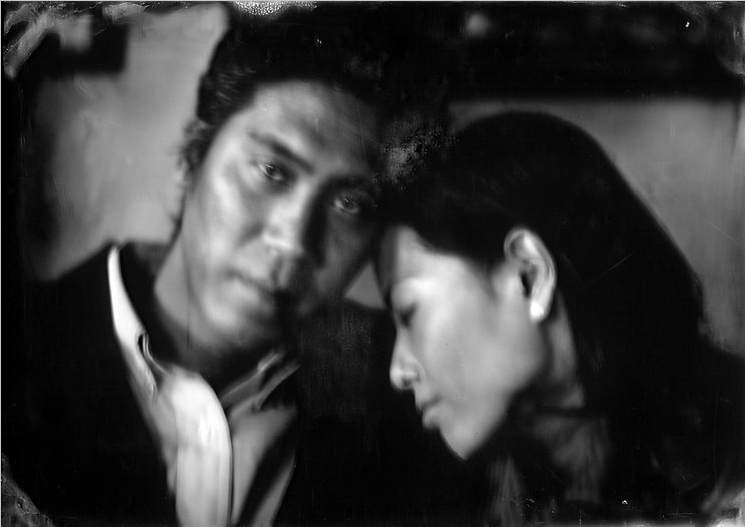
This photograph is part of a series exploring new immigrants to the United States and the reasons they chose to leave their home countries to begin new lives here. This couple arrived together, and for that reason I chose to photograph them as a pair rather than as individual subjects, emphasizing their shared journey and connection.
I work with an 8 × 10 Deardorff camera and photograph directly onto glass using the wet plate collodion process, creating ambrotypes, positive images on glass. This is the same photographic method used in the late nineteenth century, and it requires both precision and immediacy.
To begin, I pose the couple on my couch and take time to help them feel at ease. I then move into the darkroom, where I hand-coat a clean sheet of glass with collodion. Once the collodion becomes slightly tacky, but before it dries, the plate is immersed in a silver nitrate bath, which bonds with the collodion and renders it light-sensitive.
After several minutes, the sensitized glass is placed into a film holder and brought back to the camera. I work exclusively with natural window light, resulting in a relatively long exposure. Any subtle movement during this time appears as a gentle blur in the image, softening the figures and lending the photograph a romantic, dreamlike quality that echoes both the intimacy of the moment and the emotional uncertainty of migration.
The glass plate must be developed immediately, a process that takes only a few minutes. If the collodion dries before development, the image will be lost entirely. This necessity, keeping the plate wet from coating through development, is what gives the process its name: wet plate collodion.
The approximate time period when this style of photograph was popular was roughly from 1854, when it was invented, to about 1900, when dry plate was invented.
2) Jerry Downs, Digital Photo Academy instructor in San Francisco
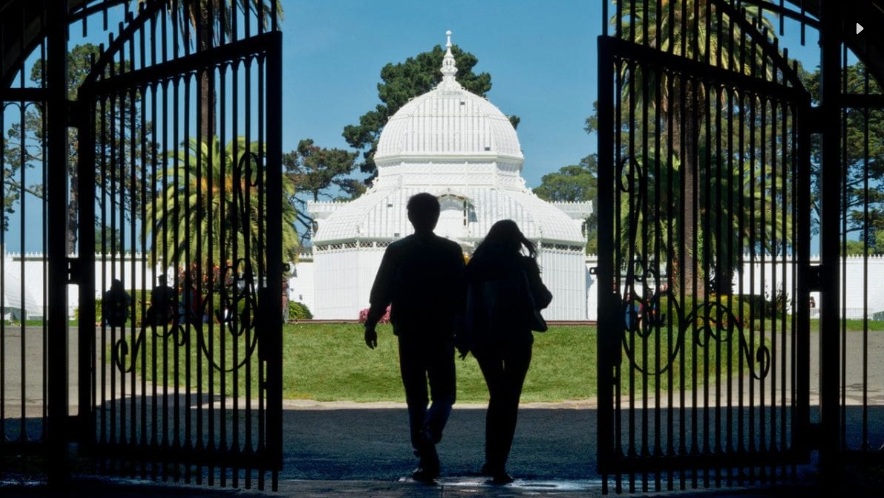
The image was taken during a Digital Photo Academy Composition in the Field class at the Conservatory of Flowers in San Francisco’s Golden Gate Park.
The couple were from the class. I asked them to model for us so we could illustrate how to take a silhouette. We exposed for the background and let the rest of the image, which is in the shadow, be purposely underexposed.
Cameras cannot see as well as we can. They do not have the same latitude. For me and the rest of the class, we could see the couple perfectly well. Knowing how to see the way the camera sees, we can creatively play to the camera’s limitations.
Using the camera in Manual Mode, we properly exposed the background at f/8 at 1/250th of a second, which meant that the shadowed areas would be way underexposed, look black, and make a great silhouette.
Knowing the limitations also told us how great the gate would look and how it could be used as the perfect frame for the couple.
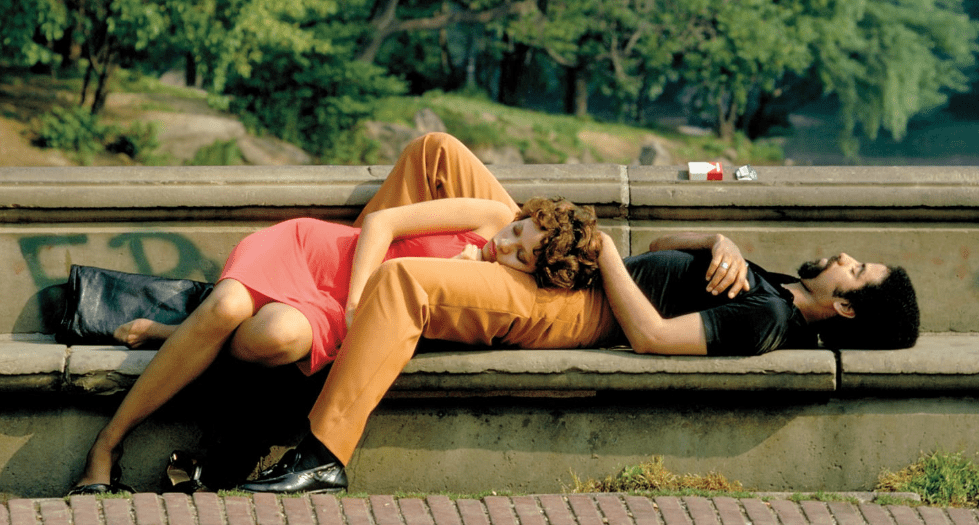
As for this image: I shot this with the couple lying close together so their bodies formed one relaxed shape rather than two separate figures. I asked them to get comfortable first and stop posing. Once they settled in, the moment felt natural.
I positioned myself slightly above and to the side so their faces stayed visible and their arms created gentle leading lines through the frame. I used a moderate focal length and a wide aperture to keep the background soft while holding focus on their faces.
The key here was patience and timing. I waited until their posture looked effortless and their expressions matched the quiet mood of the scene, then took the shot without interrupting them.
3) Brian Diescher, Digital Photo Academy instructor in Hudson Valley
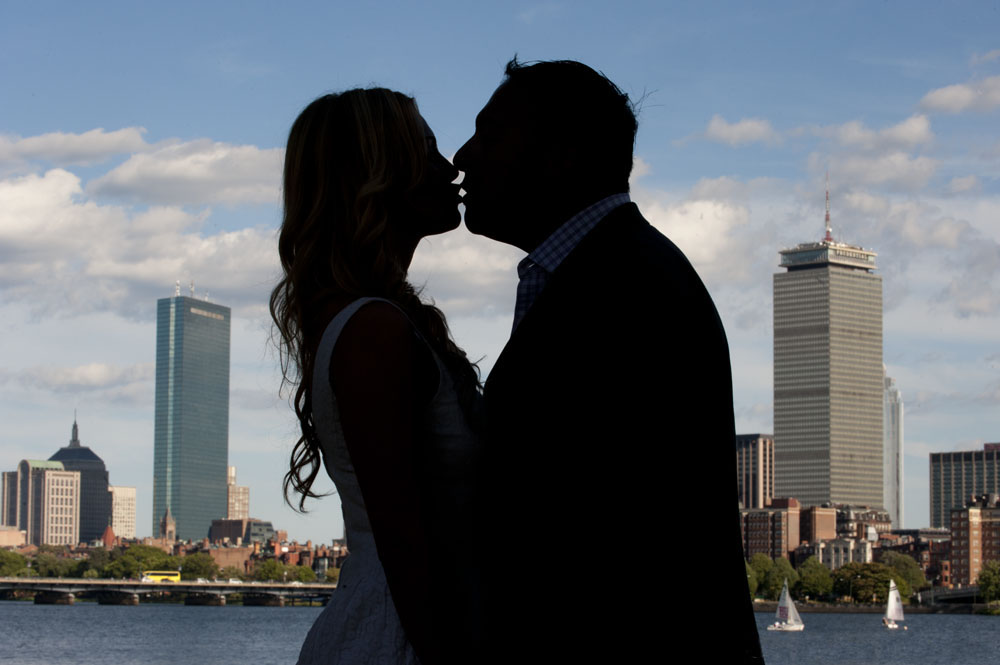
Here is an engagement photo I shot in Boston a few years ago. I positioned the couple in the shade so they appeared dark and silhouetted, exposing for the city in the background.
I really liked the city backdrop and took several shots using flash. Then I turned the flash off and asked them to stay in the shade to capture their silhouettes. I framed them between the two towers in the background, and as they shared a quick smooch, I pressed the shutter.
4) Amanda Deutsch, Digital Photo Academy instructor in Denver
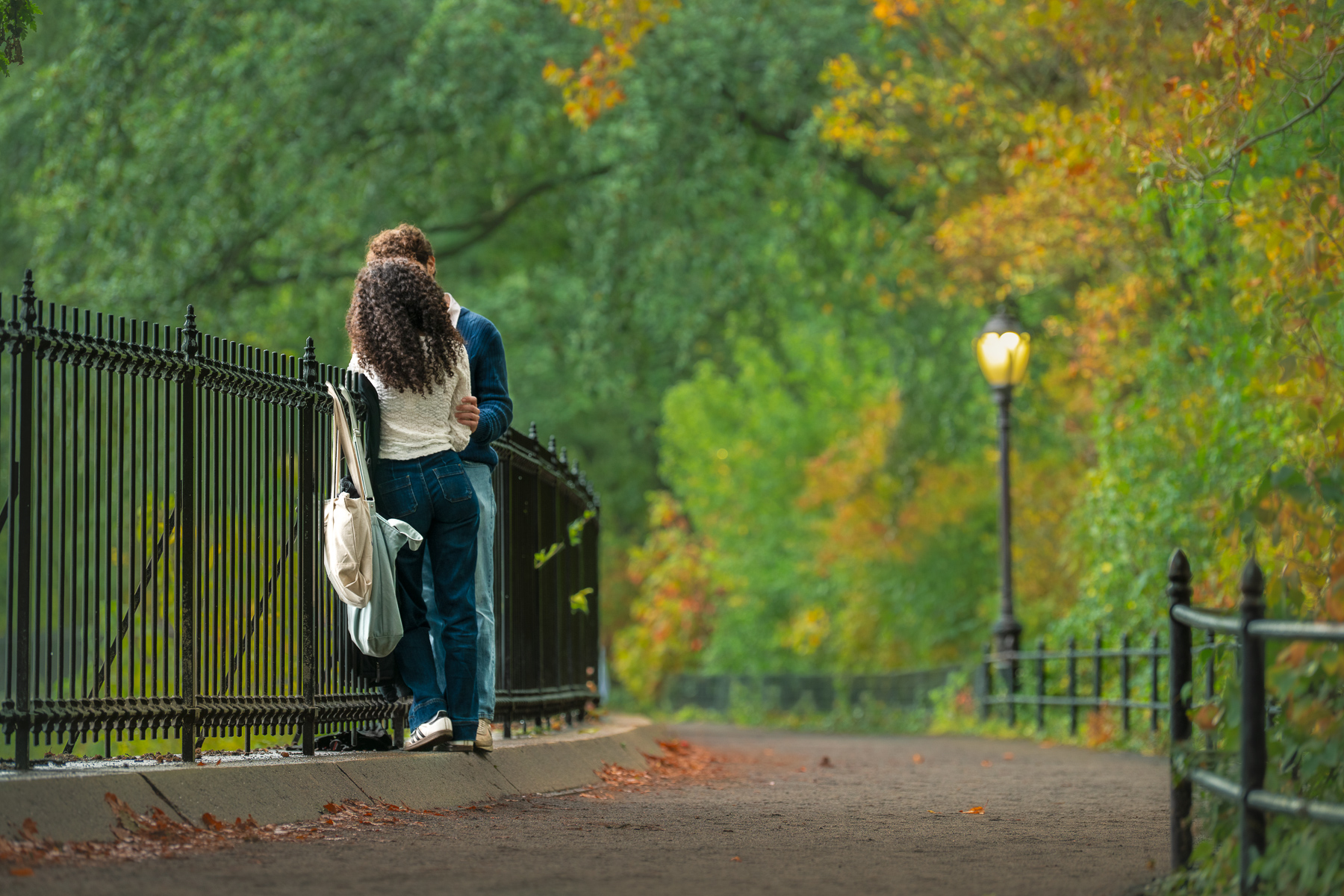
Only a small portion of the frame is occupied by the main subject, which creates a sense of mystery and romance. As the couple are not facing the camera, the viewer is able to observe the moment without the subjects’ awareness.
Additionally, the wrought iron fence provides natural framing around the pair. In the background, the greenery creates color contrast that helps the subjects stand out, while the street lamp serves as a visual anchor that is commonly associated with romantic settings.
The image was captured at ISO 320, f/3.5, and 1/200s using a Nikon Z8 with a 165mm focal length.
5) Commentary by Dave Rhodes, Digital Photo Academy instructor in Atlanta. Photos by his brother, professional photographer Dale Rhodes.
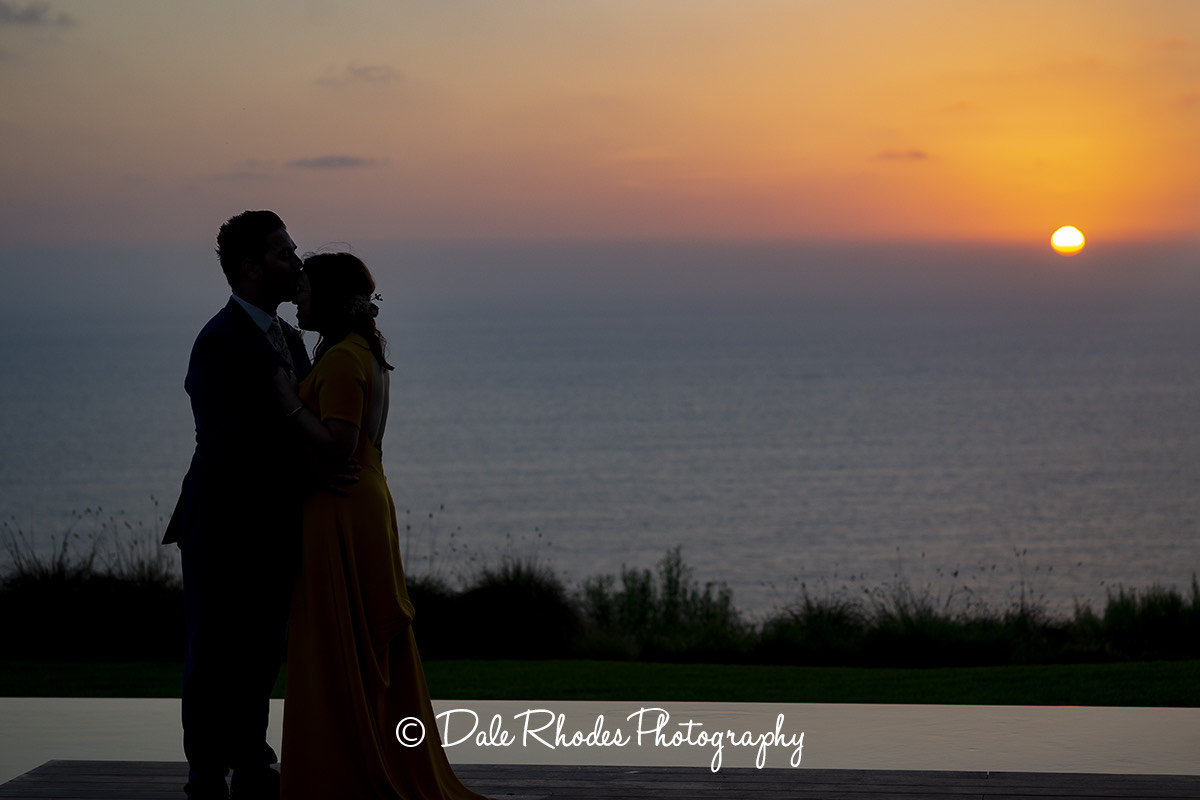
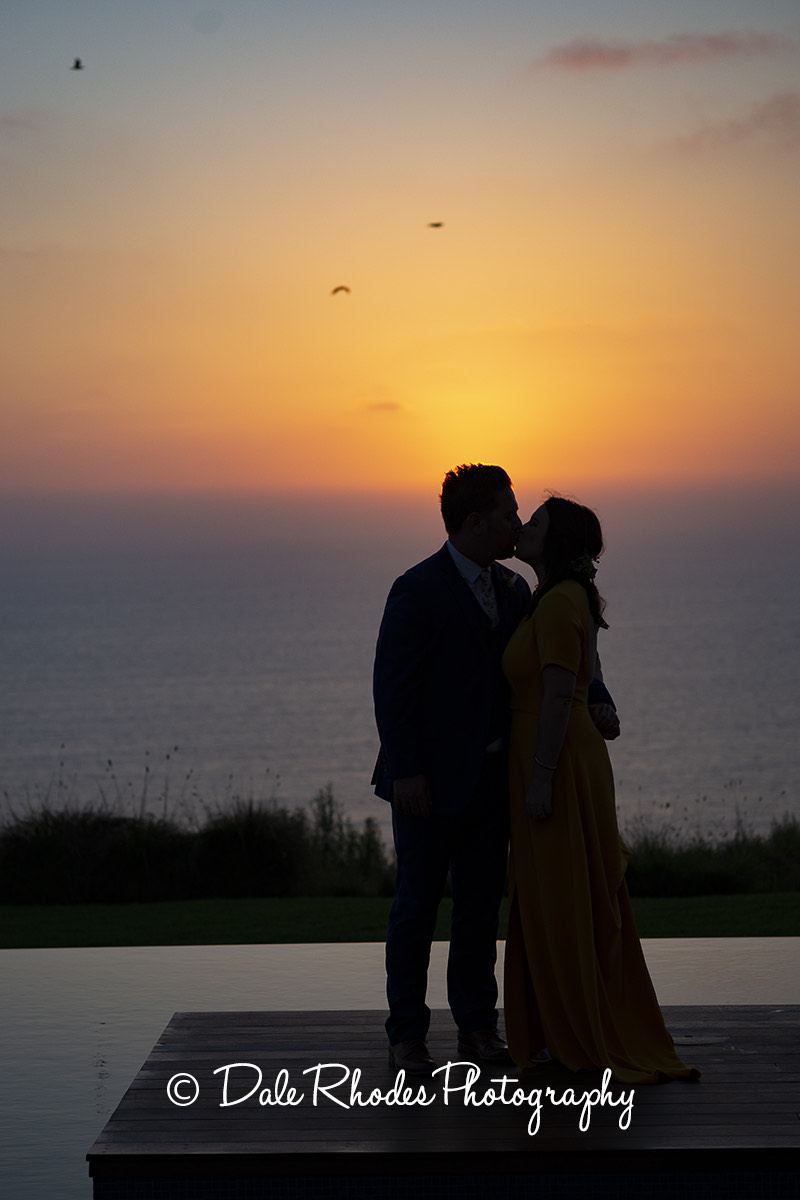
Many times, as a photographer, we are hired to shoot weddings, engagements, quinquennia’s, retirements, model shoots, sporting events, and more. But when it’s your own daughter’s wedding and she forbids you from taking pictures, you need to do the next best thing. You ask your brother, who is a professional photographer in the New York City tri-state area, to do you a solid. The pictures below are a result of that huge favor my brother did for me. In addition, I hired two other photographers and a videographer as well.
The venue we had was an unbelievable property on a private estate in the La Jolla cliffs. My son-in-law is in the music business, and he was able to secure the estate from a music producer he knew. Anyway, it was a fantastic scene for photography. The photos above are just a few from that day. The first was shot with a Sony DSLR and an 85mm lens set at ISO 200, f/4.0, 1/640 sec, and the second, a landscape, was shot with the same body and lens at f/4, 1/400 sec.
It’s interesting, from a photographer’s point of view, that all three exposures are very close to the same, even though both photographers used different lenses. In closing, it was a marvelous day and one I’ll never forget.
– Dave
Pictures courtesy of Dale Rhodes Photography
6) Tony Schreck, Digital Photo Academy instructor in Minneapolis
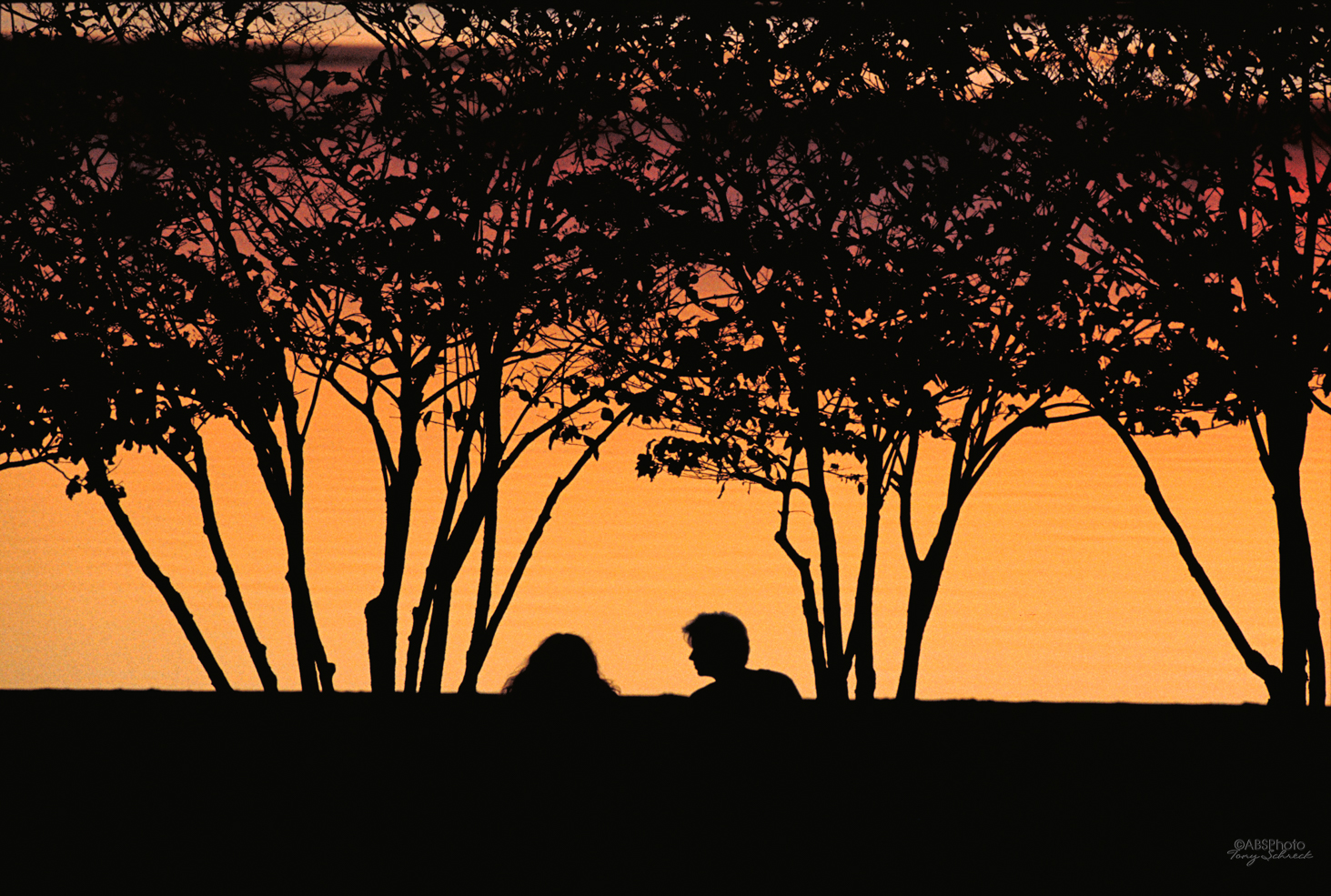
I was shooting an assignment of nightlife for a lifestyle magazine back in the mid 1990s, so this was photographed on film. I was working on a path that goes around a lake photographing rollerbladers when I turned and saw this couple down by the lake. The sunset was a brilliant orange and reflecting off the water.
Underexposure was the perfect option to intensify the orange color and silhouette the couple. Framing them with the trees was a choice to hide houses and distracting elements in the background.
Most of the time when I’m photographing sunsets, I will zoom in on a portion of the sky away from the sun that I want a middle to dark gray or tone. I set my exposure on that middle tonal area, 18 percent gray, and then recompose the image to get the framing I like.
7) Photo courtesy of Jay Sacks, a member of our Facebook group Celebrating Senior Shutterbugs, who generously gave permission to share it. Click here to see Jay’s original post!
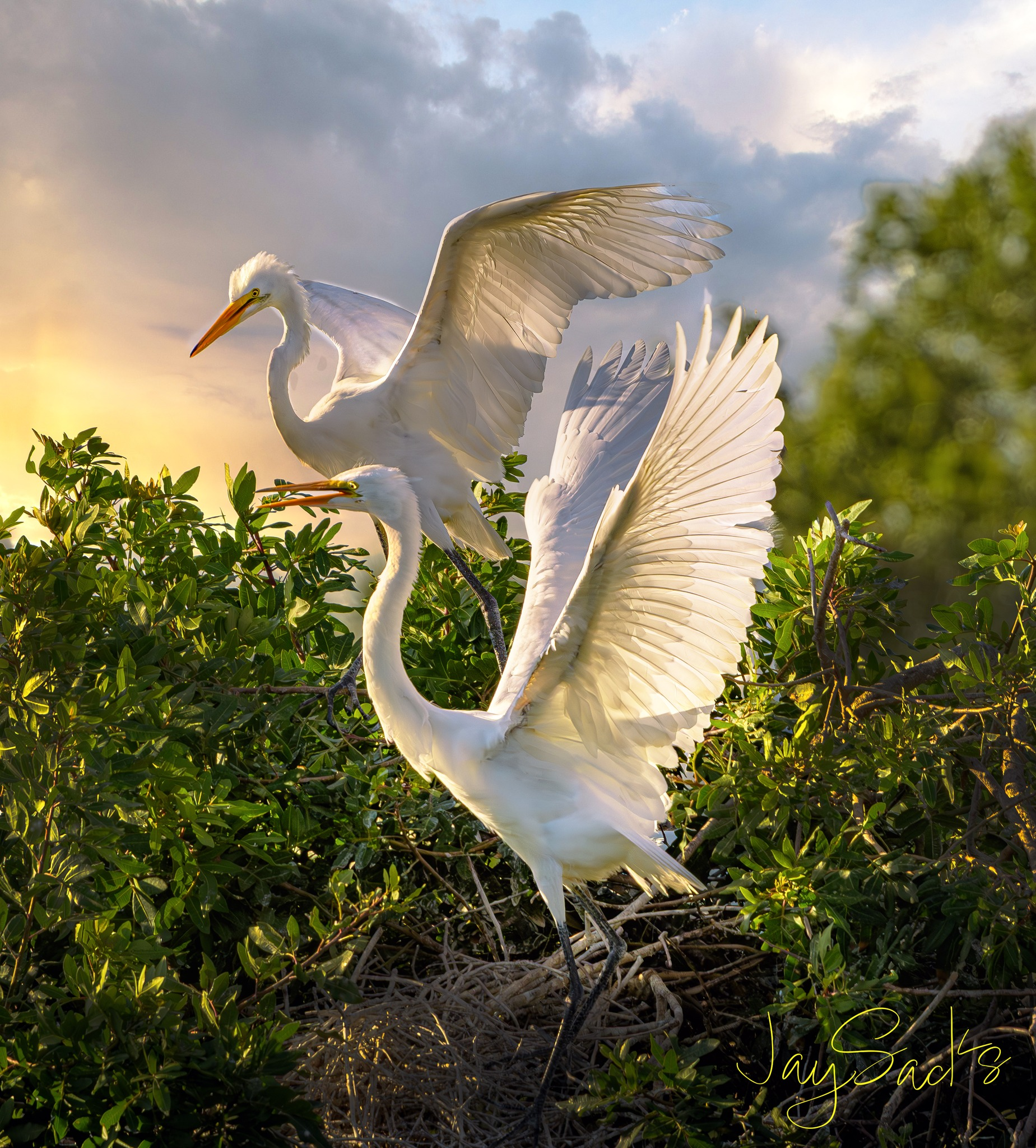
This photo of two great egrets was posted on our Celebrating Senior Shutterbugs Facebook group by Jay Sacks, who captioned it, “A Loving Couple.”
Great egrets form breeding pairs each season. Although they do not mate for life, they behave as a closely bonded pair during the nesting period. Courtship involves clear, visible displays. A bird may stretch its neck, lift and spread its wings, and display long white breeding plumes to attract a partner. These movements serve as direct visual signals between the pair.
Once paired, the birds work together to build a nest. The male typically brings nesting materials, while the female arranges them at the site. This division of roles requires repeated interaction and coordination. Paired egrets remain close at the nest. When one bird arrives, the other often responds with mirrored movements such as wing lifts or head motions, reinforcing their connection during the breeding season.
If you want to make a photograph like this, look for moments when both subjects are active at the same time rather than one reacting after the other. In this scene, the image works because both egrets have their wings fully extended, creating symmetry and a clear visual relationship between them.
Positioning is important. Shooting from a low angle keeps the birds separated from the background and allows the wings to break into the sky instead of overlapping the foliage. This also helps define the wing shapes and keeps the bodies from blending into the nest.
Freezing this kind of motion requires a fast shutter speed to hold feather detail, especially at the wing tips. Using an aperture that is not too wide helps keep both birds sharp while still softening the background enough to reduce distractions.
Want A Valentine’s Day Photo Experience for Two?
Book our newest class!
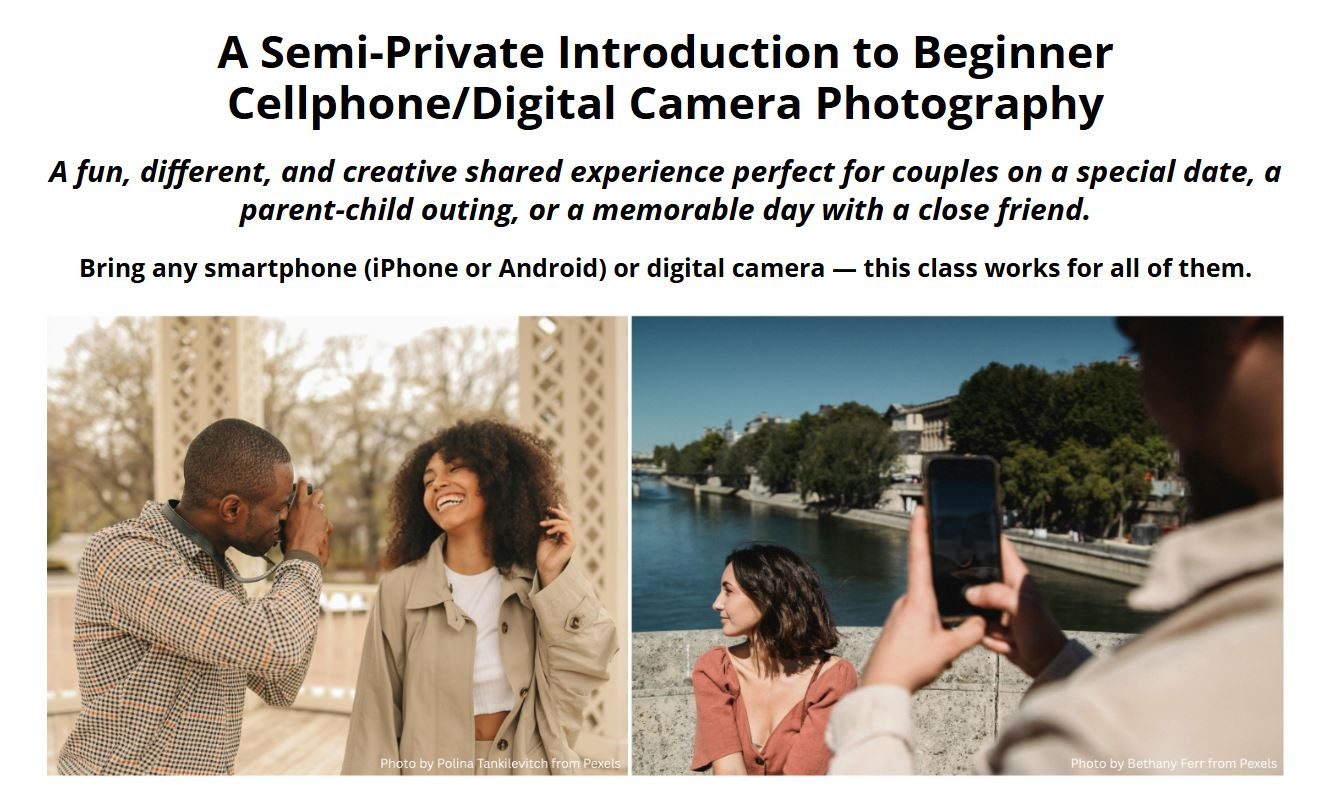
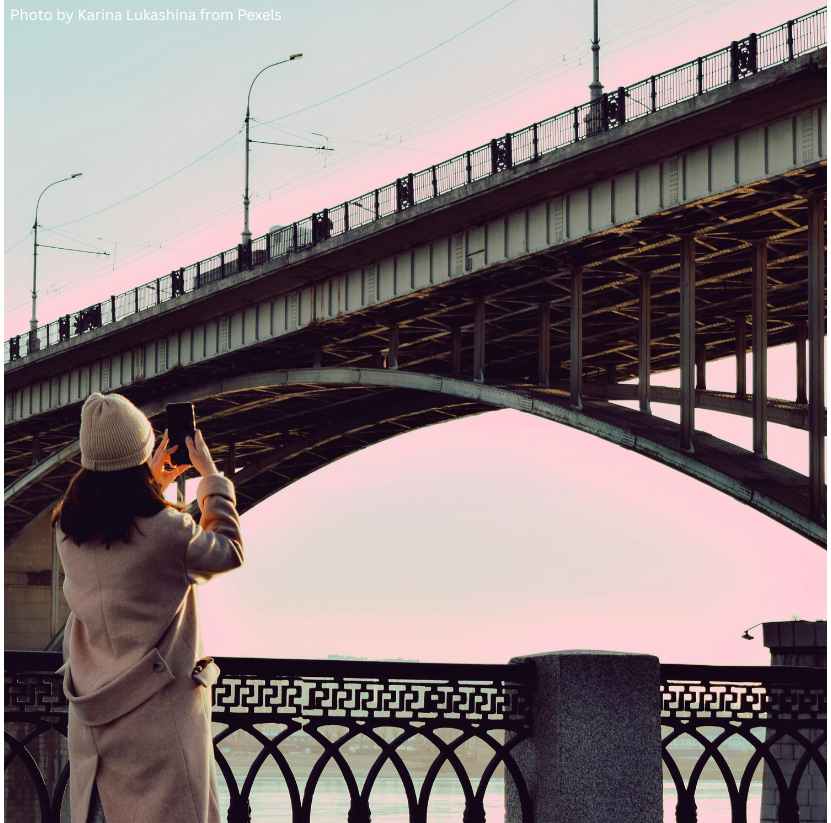
Looking for a departure from typical activities? How about a fun and creative new way to spend time together this Valentine’s season? Our new semi-private photography class is designed for two people and makes a great shared experience for couples, a parent and child, or close friends.
Bring any smartphone (iPhone or Android) or any digital camera.
This 2-hour, semi-private class is a relaxed introduction to photography fundamentals. It’s ideal if you’re curious about photography, want to improve everyday photos, or want to try a shorter class before committing to a longer workshop. It offers a quick, surface-level overview and is less in-depth than our longer workshops.
Workshop Details:
Duration: 2 hours
Price: $260 total for 2 people (semi-private class)
Format:
- First hour — Camera/cellphone controls & basic photography concepts
- Second hour — Guided shooting practice using specific composition techniques to tell visual stories and create varied creative effects
Schedule & Location: You can choose any day, location, and time you’d like!
What You’ll Learn:
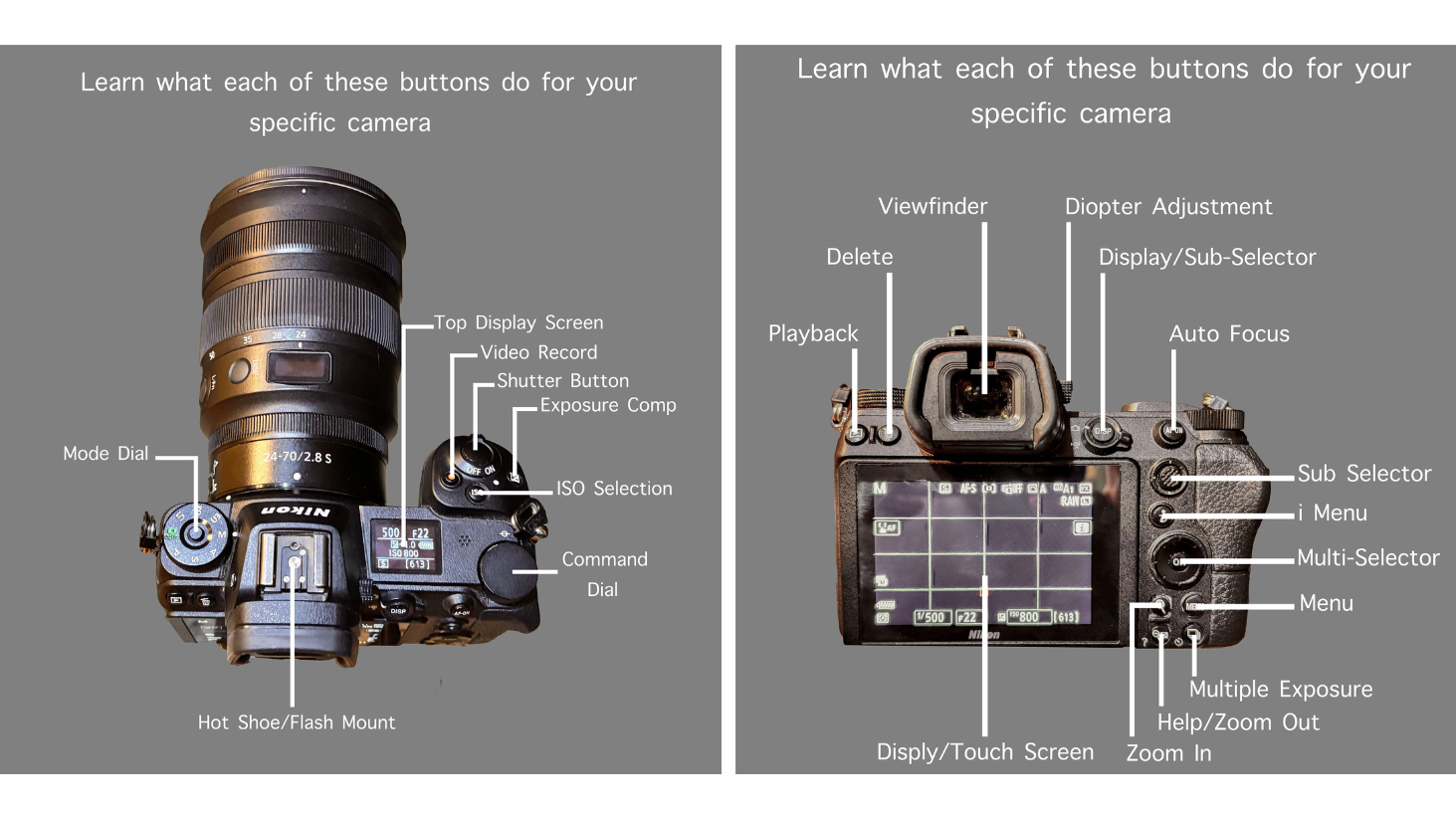
1. Camera Controls & Photography Foundations – 1 hour
Learn the basic camera controls and settings that affect how your photos look, whether you’re using a cell phone camera or a digital camera. This introductory session is designed to build confidence and familiarity with your camera/cellphone, without overwhelming you with technical jargon.
Your instructor will explain key concepts in clear, practical terms and show you how small adjustments can make a noticeable difference in your photos.
- Topics may include:
- Exposure basics (how light affects brightness and detail)
- Focus and sharpness (how to get clearer, more intentional images)
- Understanding automatic vs. manual features on your camera or phone
- Tips for getting more consistent results in everyday shooting situations
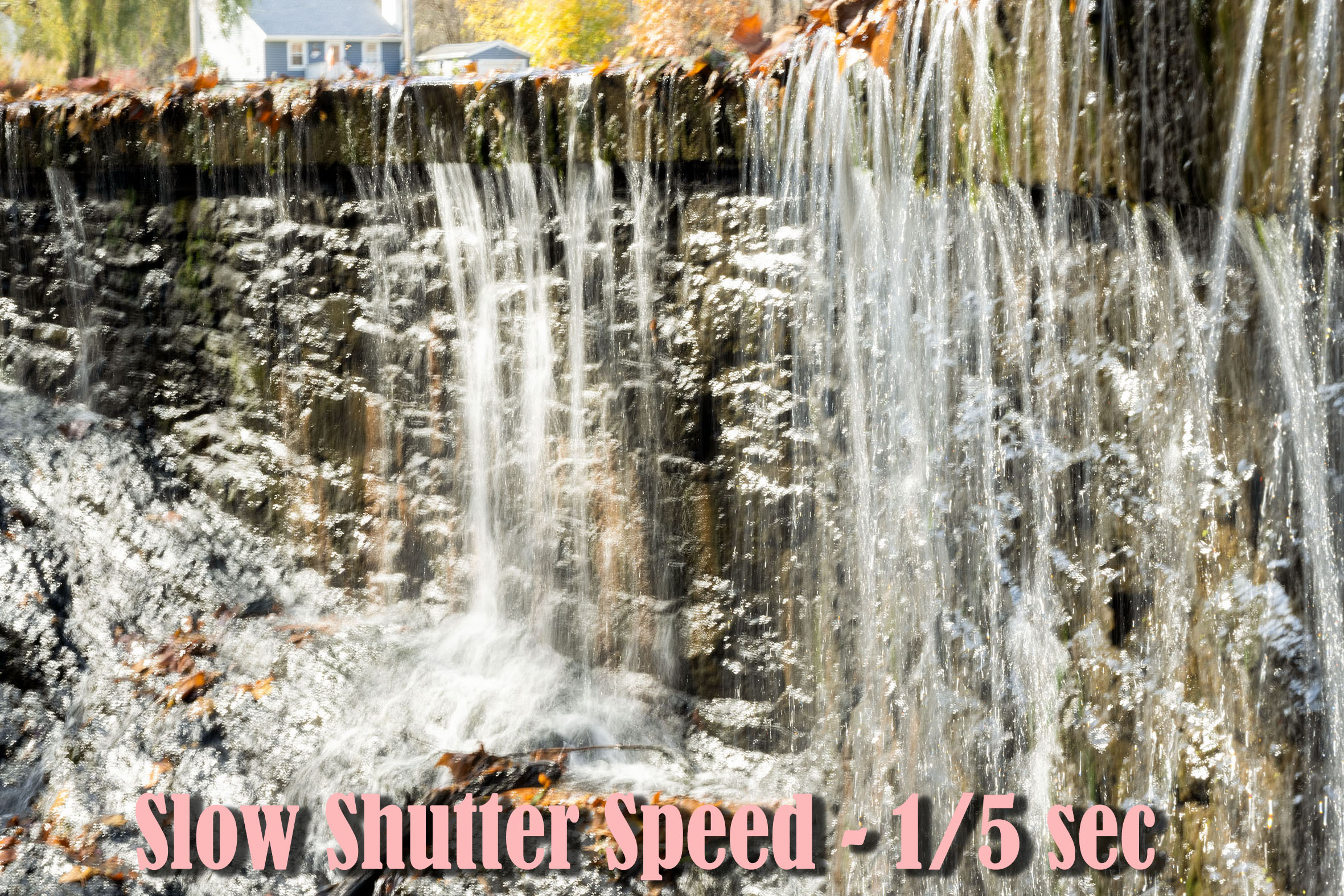
- Learn selective focus to keep a specific subject sharp while blurring the surroundings (for different creative effects)
2. Guided Shooting / Supervised Practice – 1 hour
Put what you’ve learned into practice during a guided photo shoot at your chosen location. Your instructor will work closely with you, offering real-time feedback and suggestions as you, in the area near the sit-down portion before, take photos and apply what you learned under their supervision.
Practice using specific composition techniques that enable you to tell the story you want through your pictures. You can choose the date, time, and venue you prefer.
This hands-on portion helps reinforce key ideas from the first hour and allows you to ask questions as they come up while shooting.
- You’ll practice:
- Applying basic composition techniques in the field
- Using your camera or phone more intentionally
- Adjusting settings or shooting approaches based on lighting and surroundings
- Developing confidence shooting independently outside of class
Who This Class Is For:
- Beginners curious about photography
- Cell phone shooters who want better results (with any cellphone model)
- New digital camera owners of any make/model/manufacturer
- Anyone looking for a short, approachable introduction
This class is intentionally concise and introductory in nature. It’s fun, you learn, and it’s different from your average activity.
Registration and Booking:
To schedule your Semi-Private Intro to Cell Phone or Digital Camera Photography, please contact us at:
- Email: DPABooking@DigitalPhotoAcademy.com
- Phone: Cell – 917.597.7053 / Landline – 1.877.372.2231
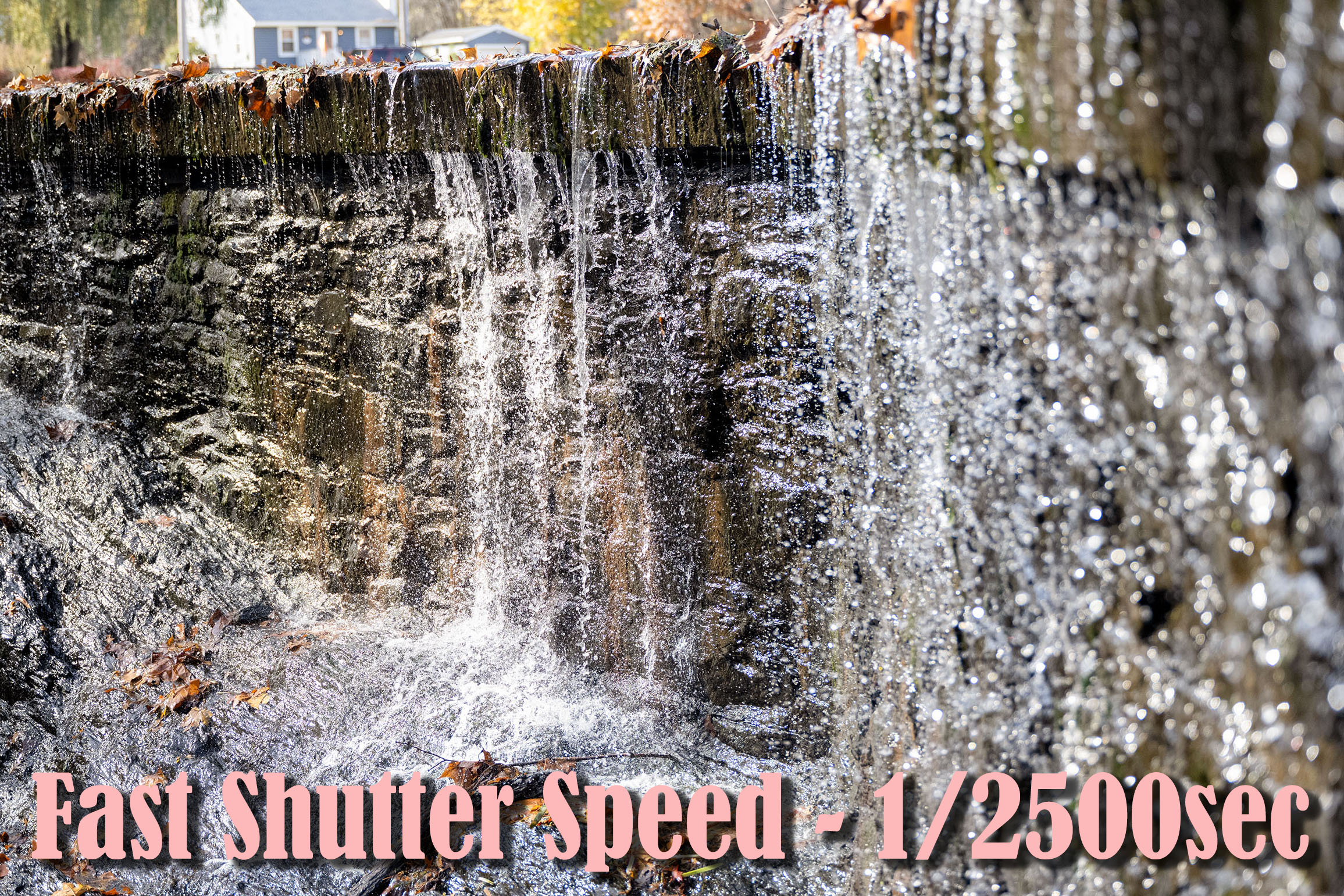
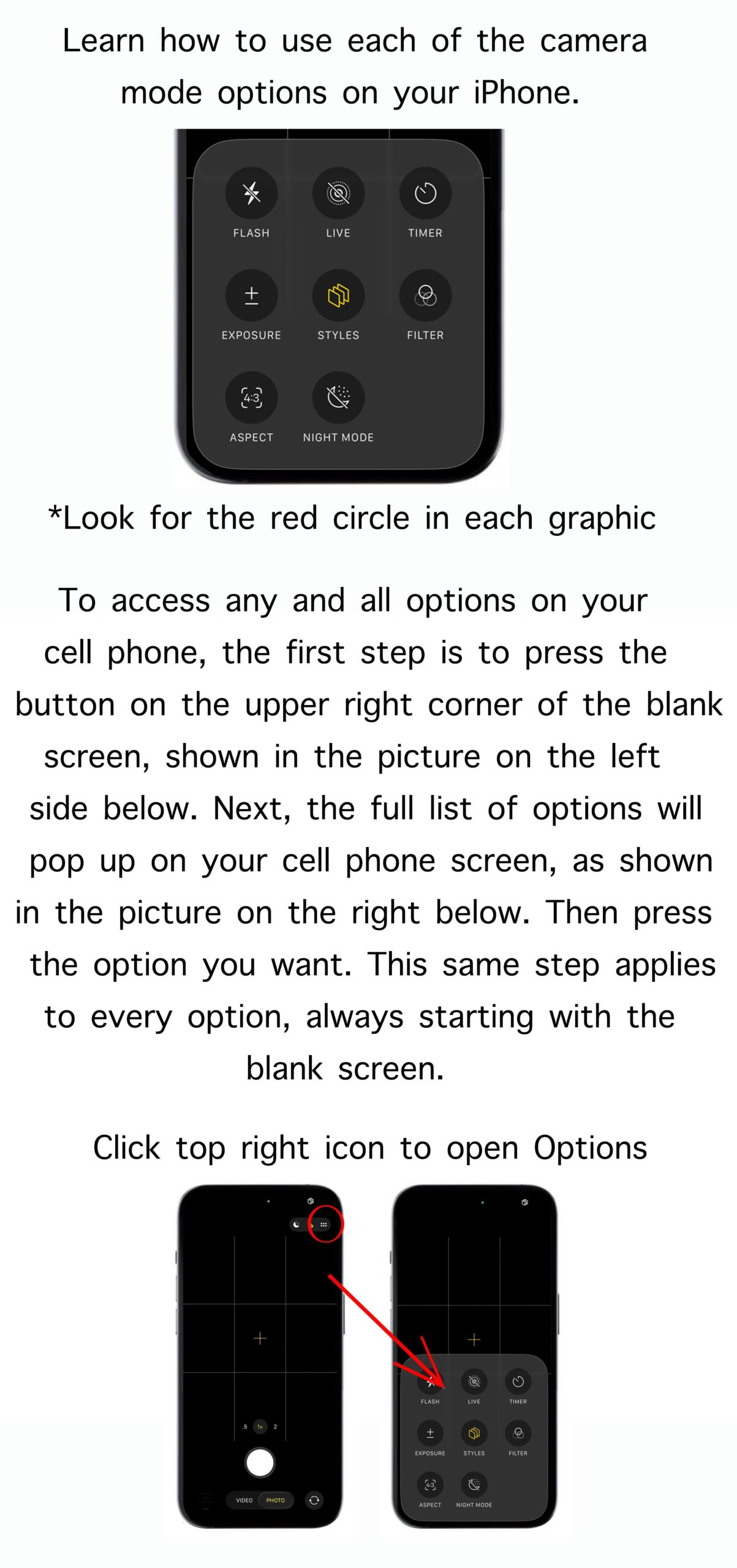
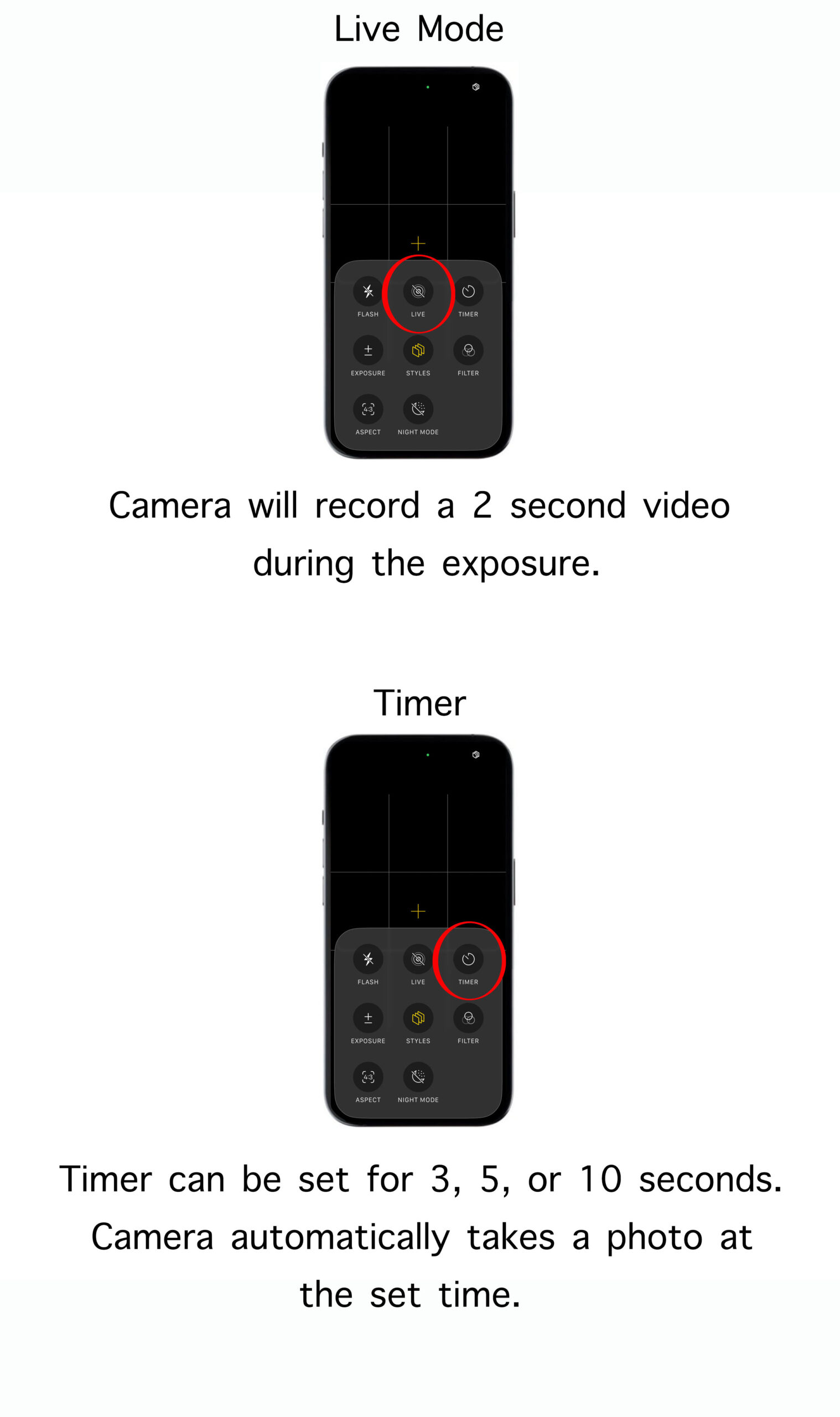
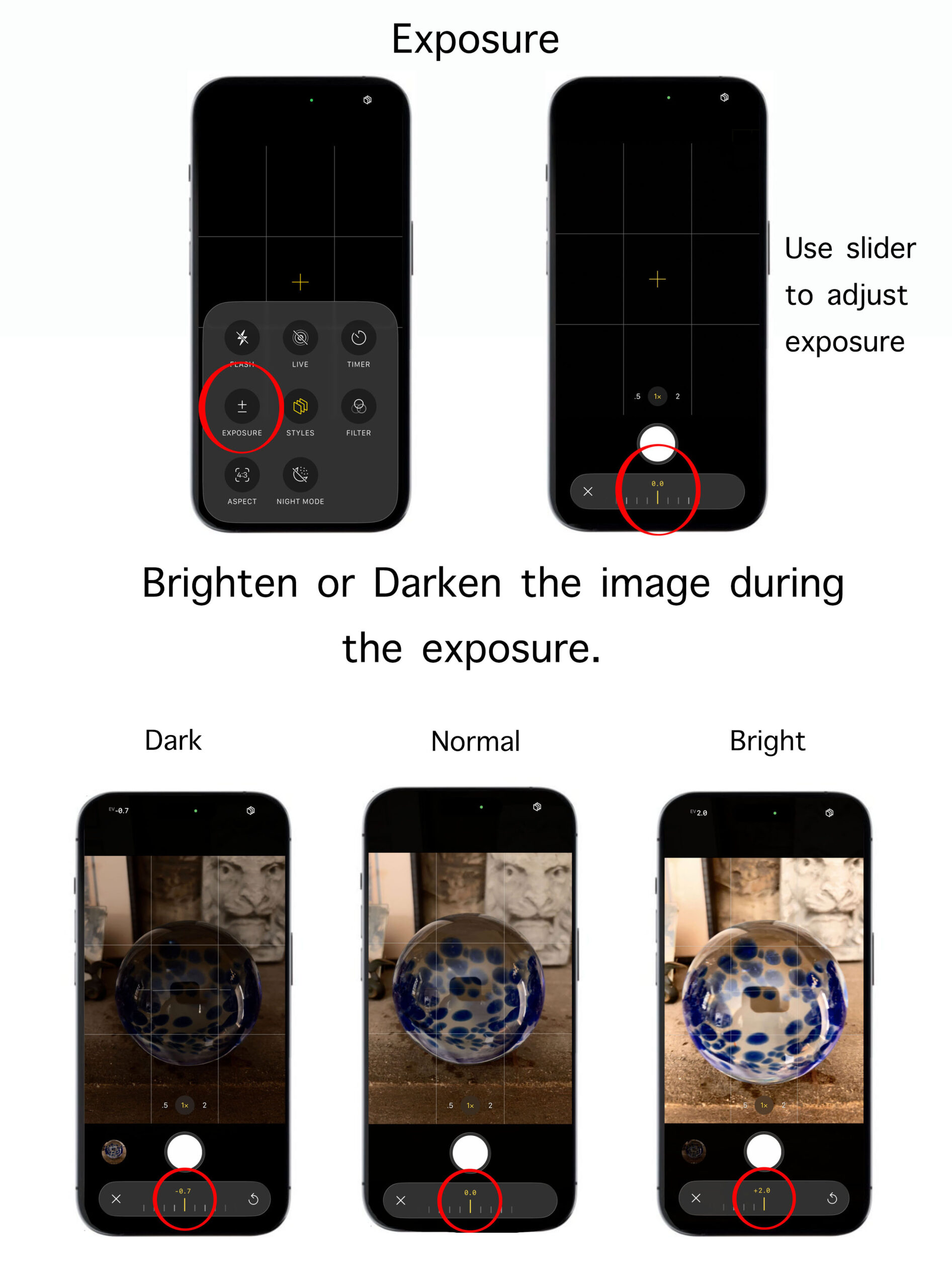
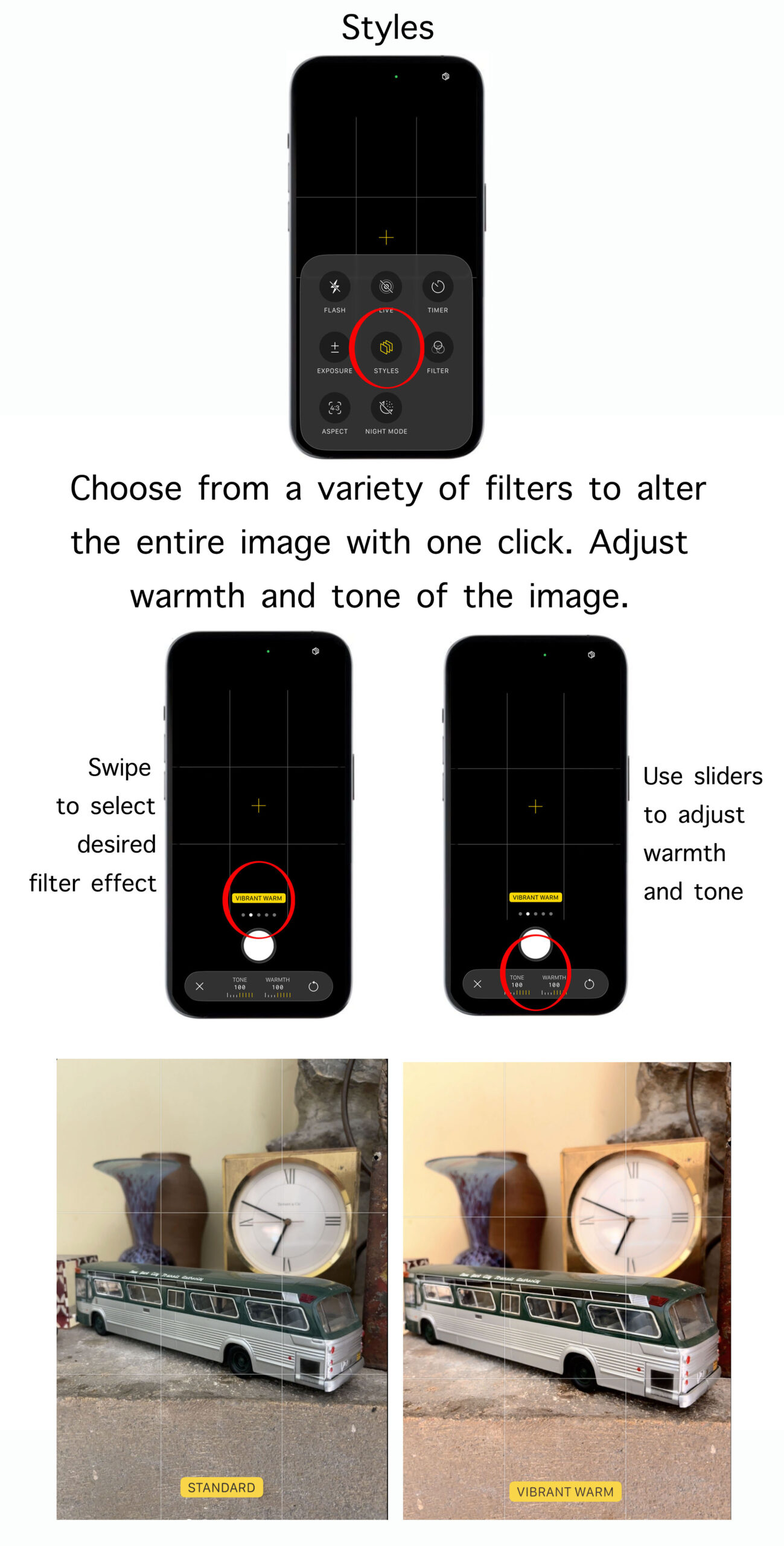
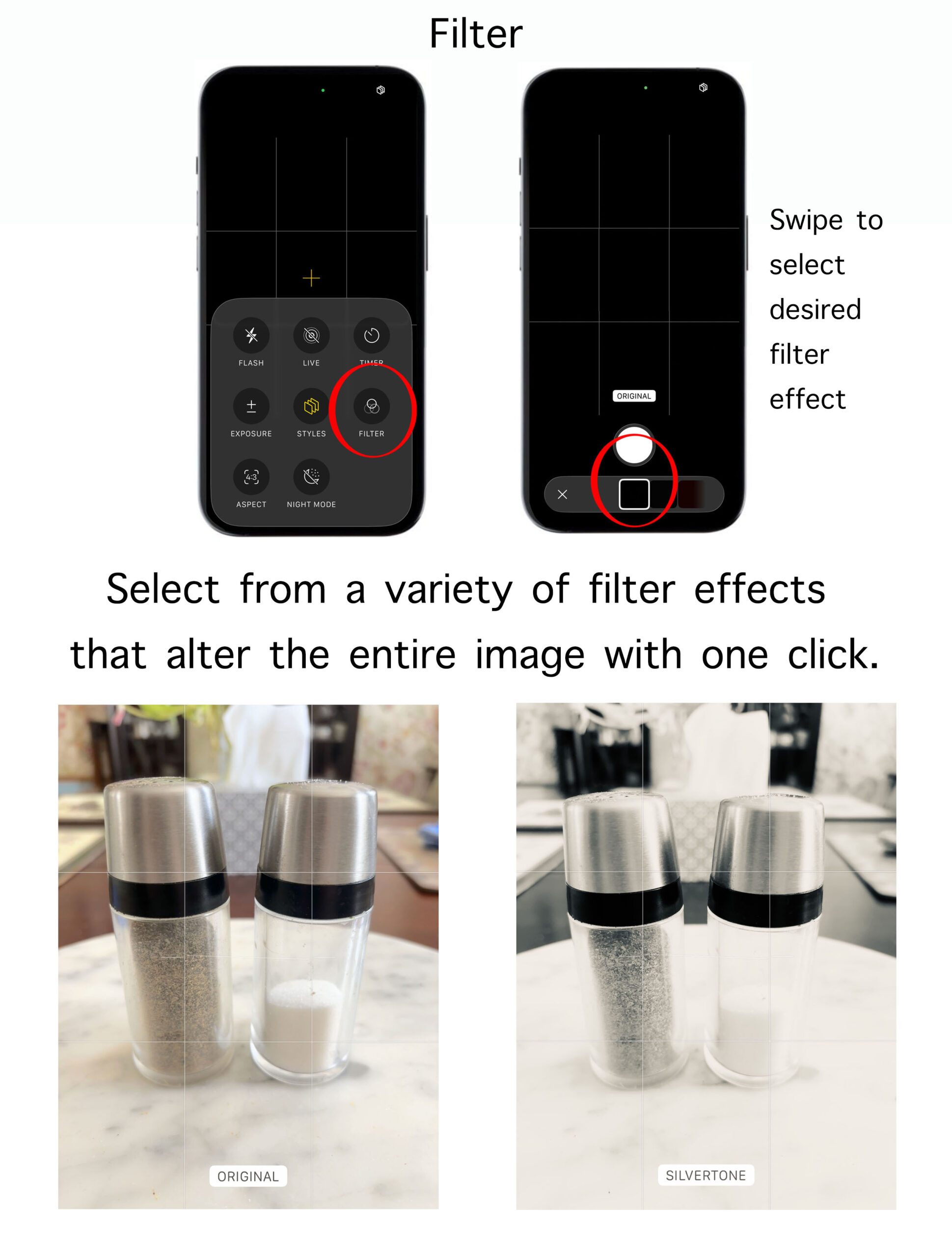
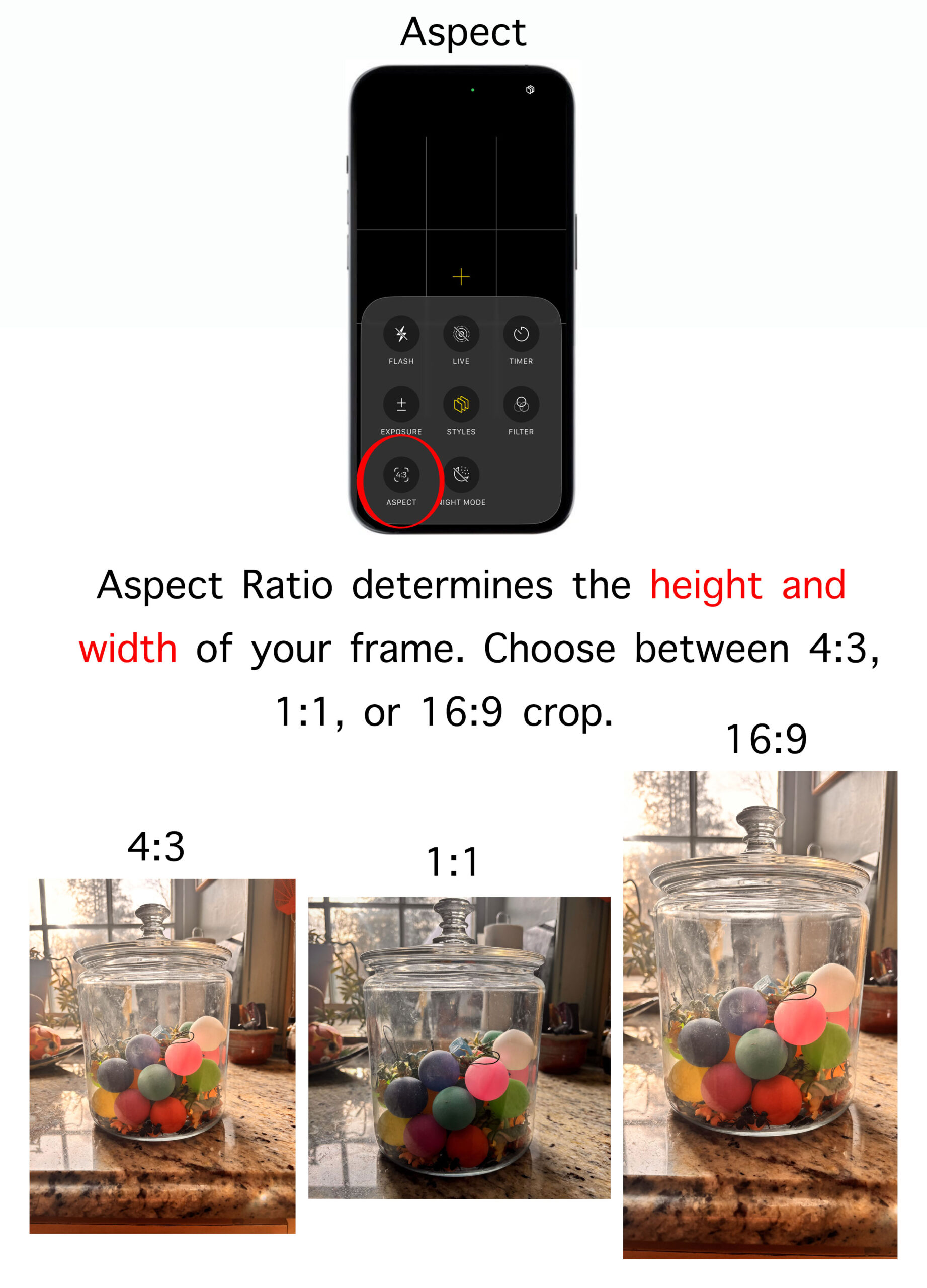
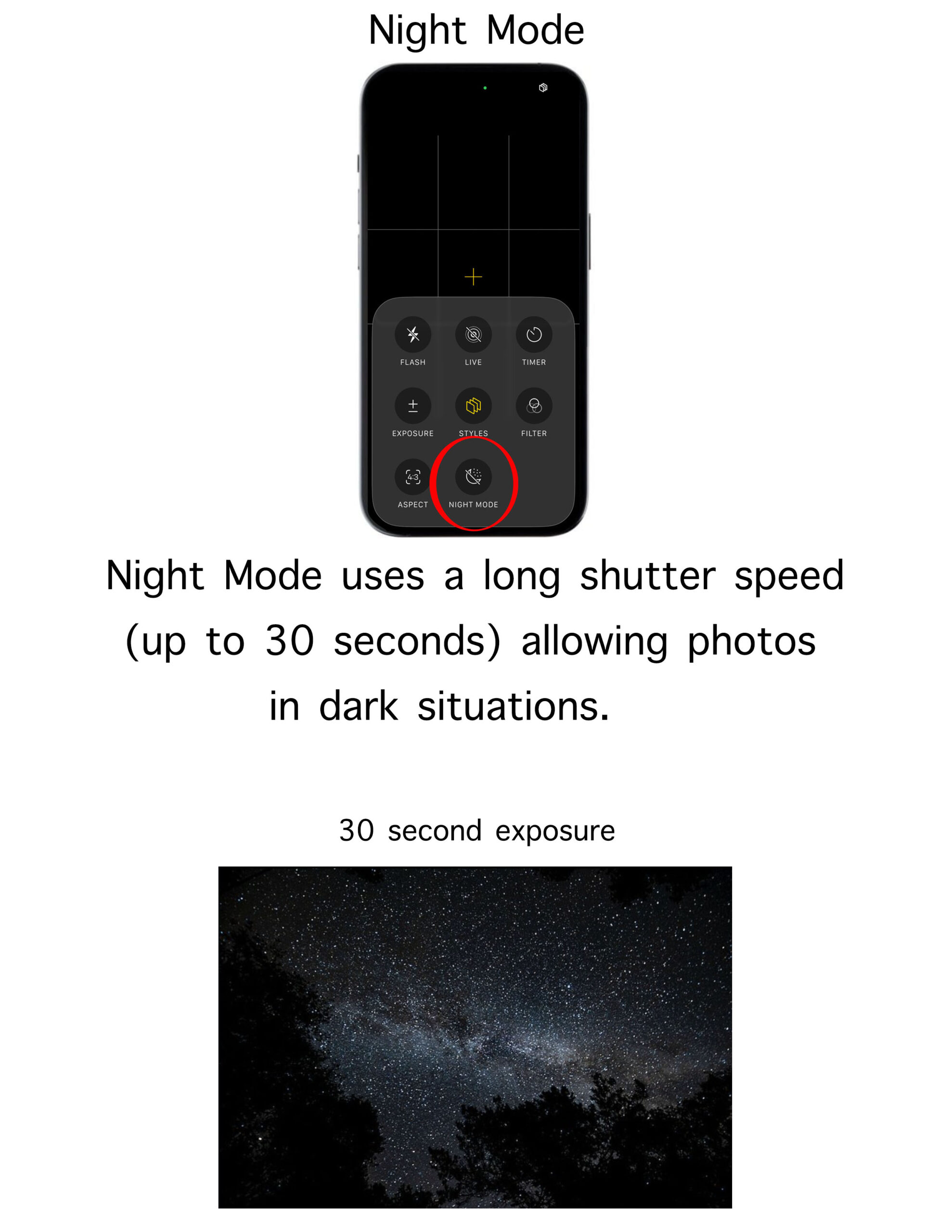
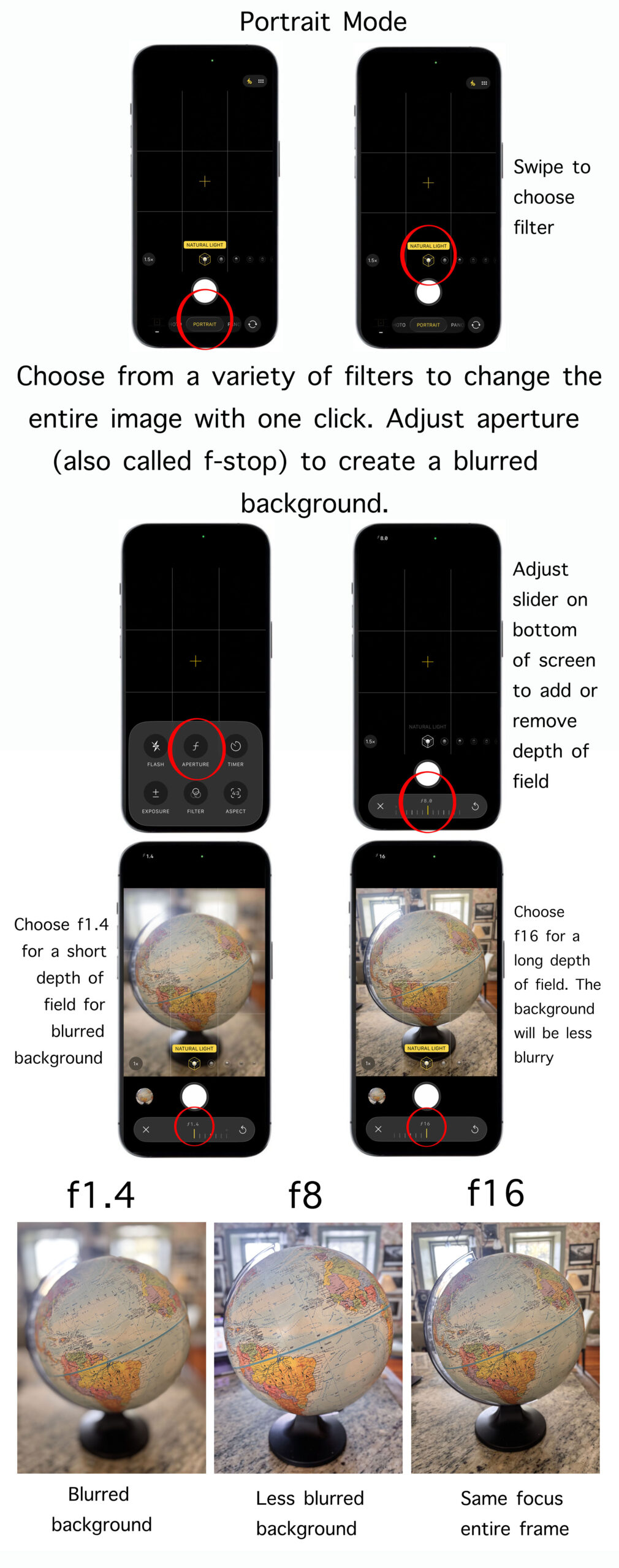
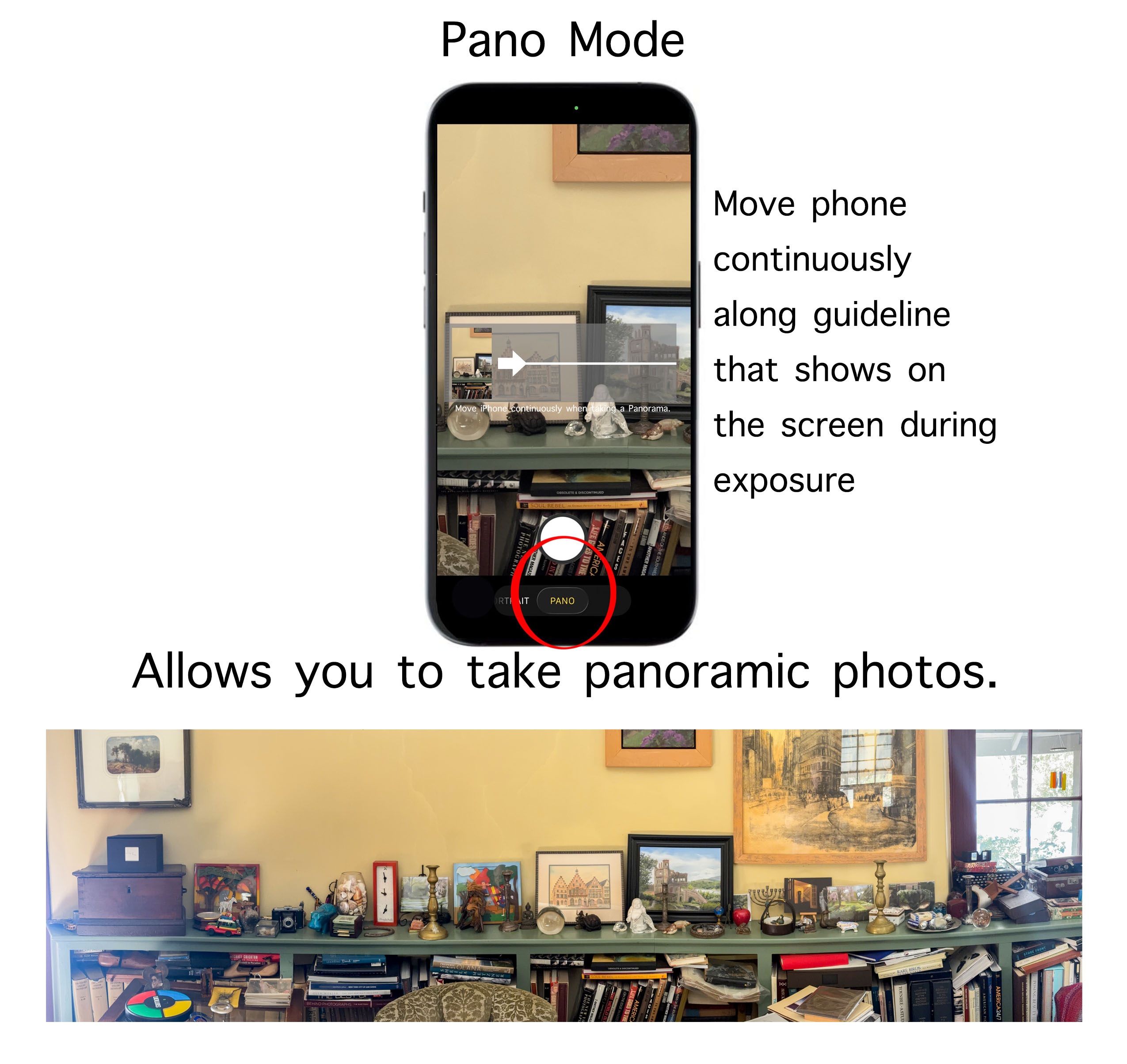
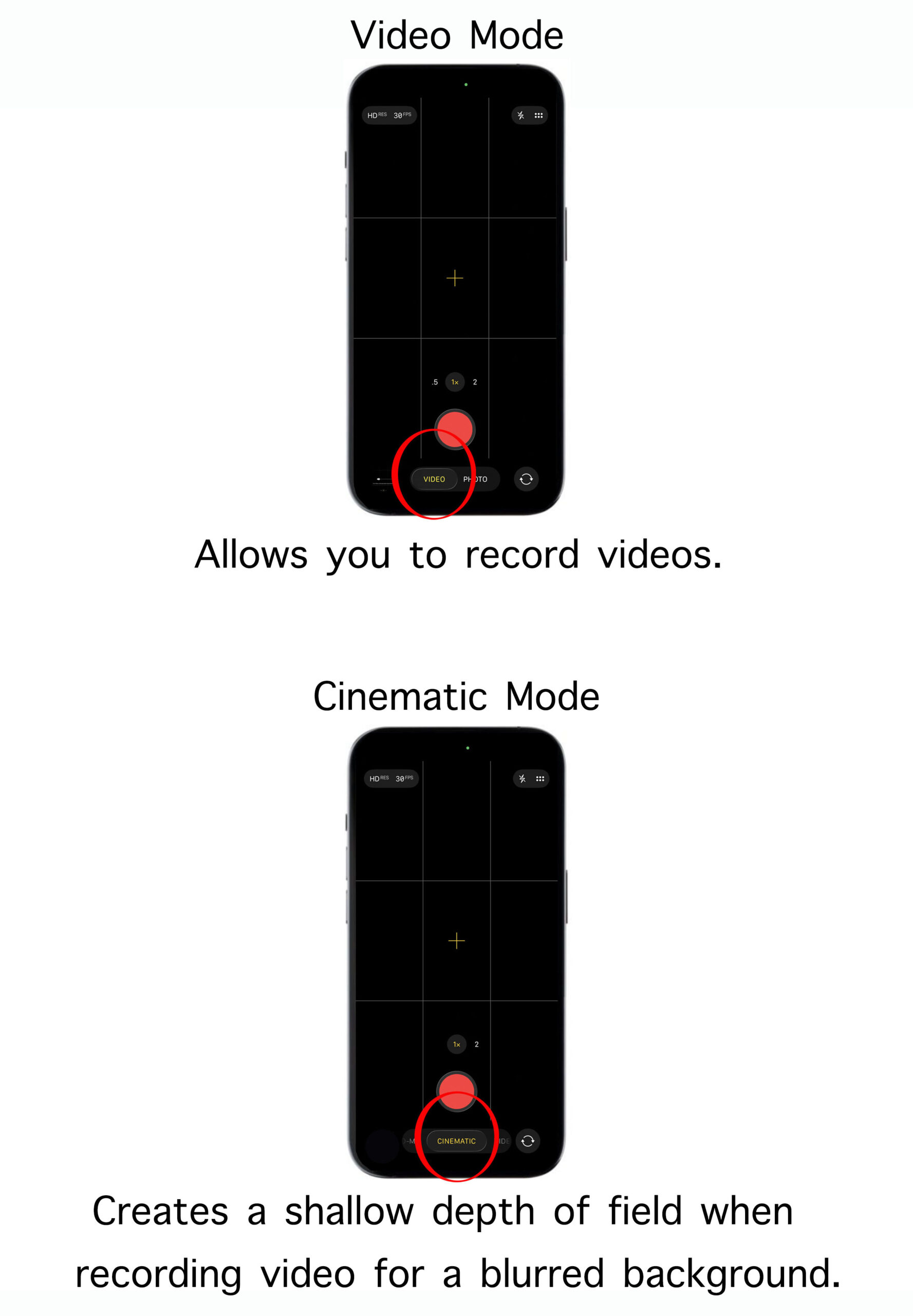
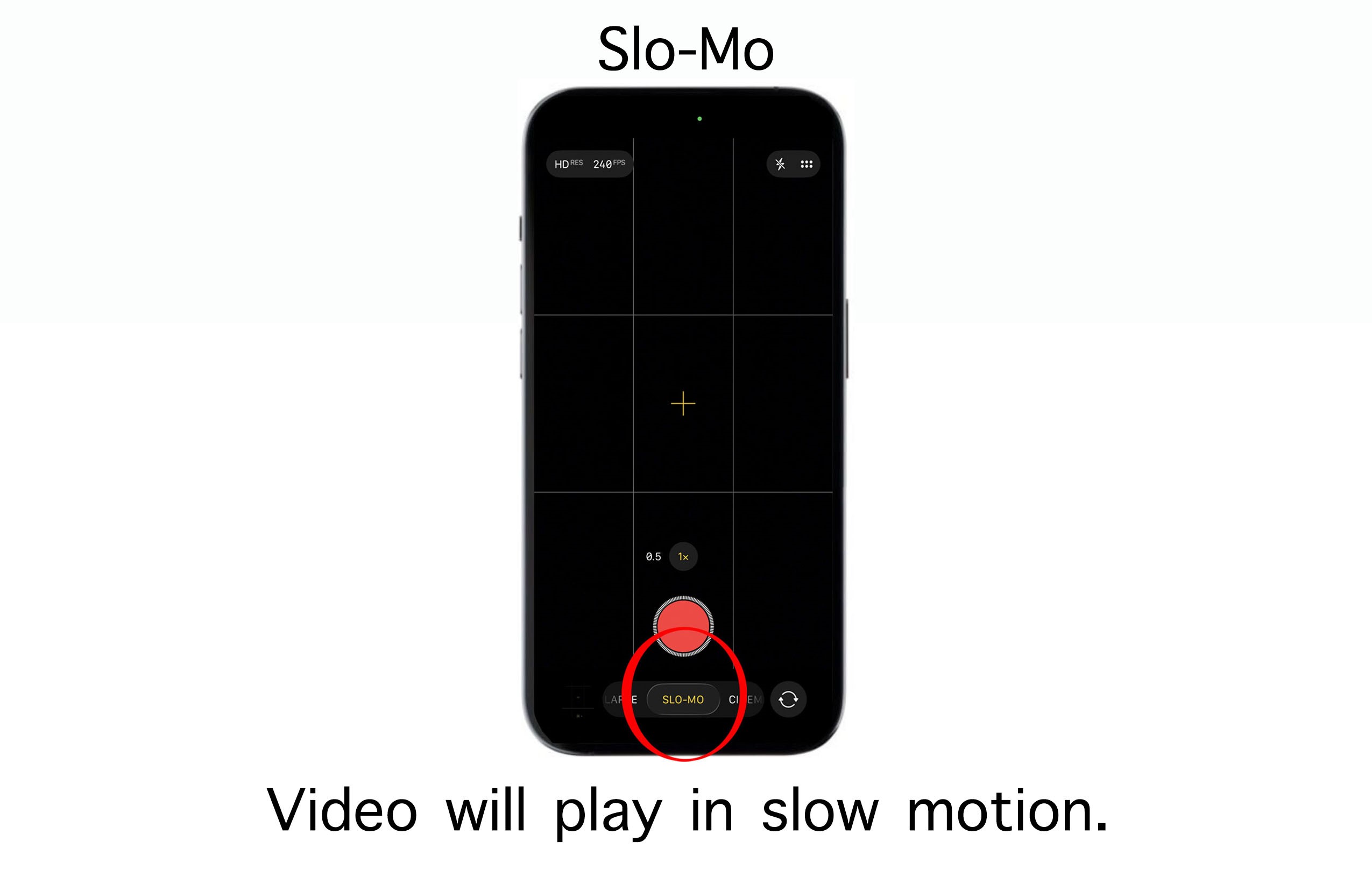
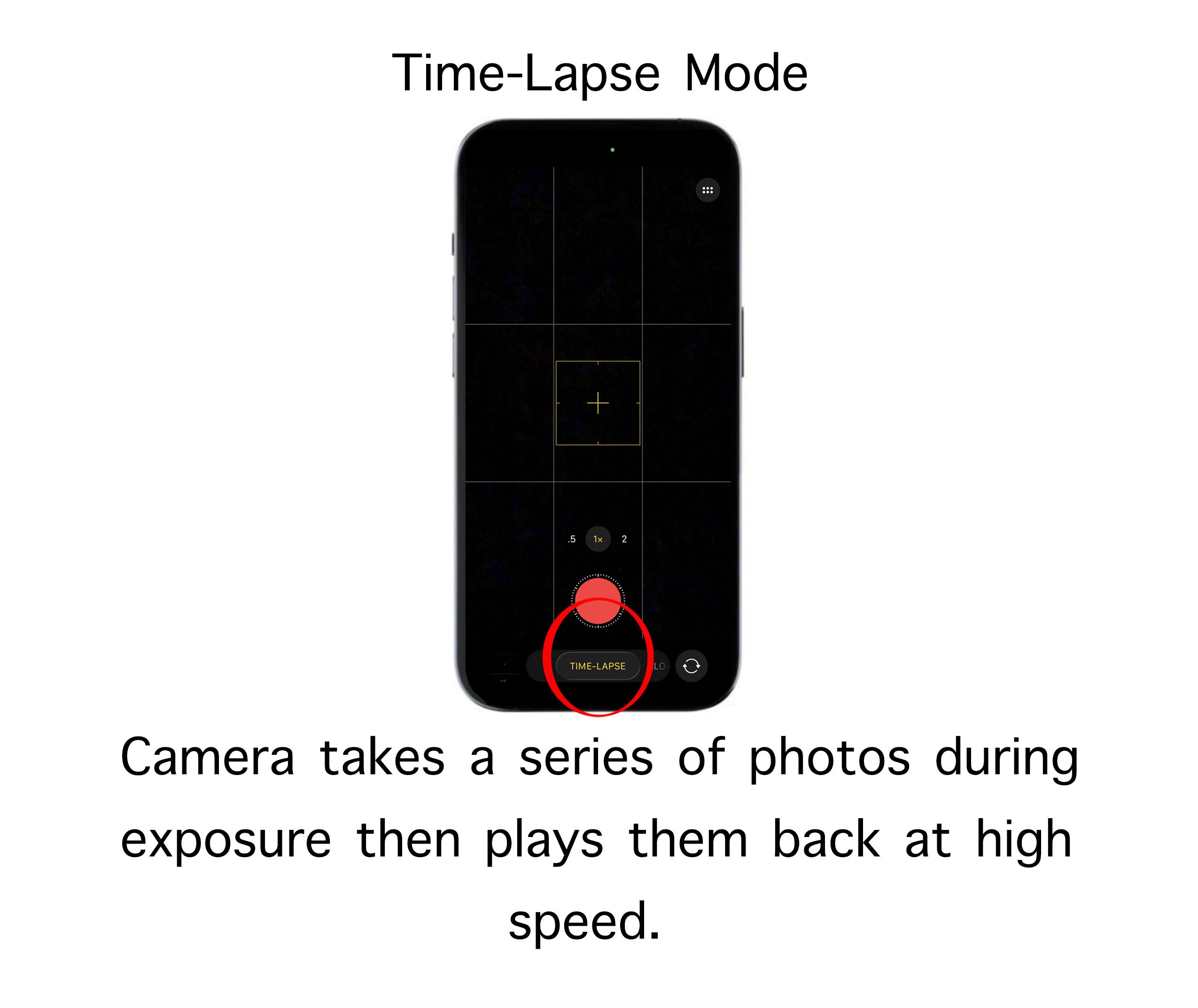
See our basic instruction manual outlining camera settings for iPhones by instructor Brian Diescher for a preview of what you could learn in the semi-private class!
This is also available for Androids.

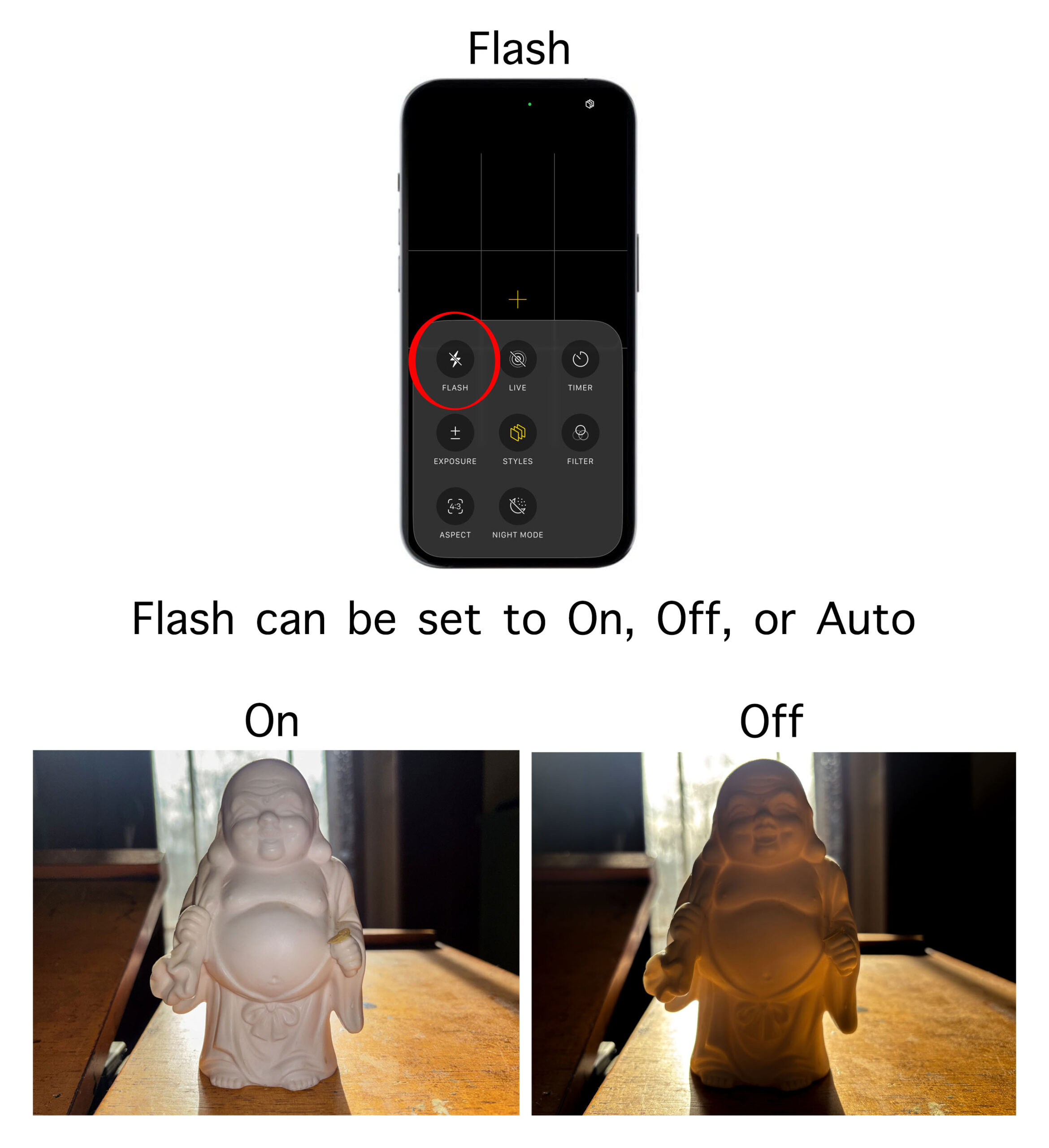
*You can install the REEFLEX app on your phone to allow manual shutter speed control on any cell phone. It costs $14.99 annually.*

Save $100 on a Multi-Day Monument Valley & Slot Canyons Photography Workshop (March 28–April 1, 2026)
Early registration discount for Digital Photo Academy mail subscribers.
$100 off with code DPA100 when you register by February 28, 2026.
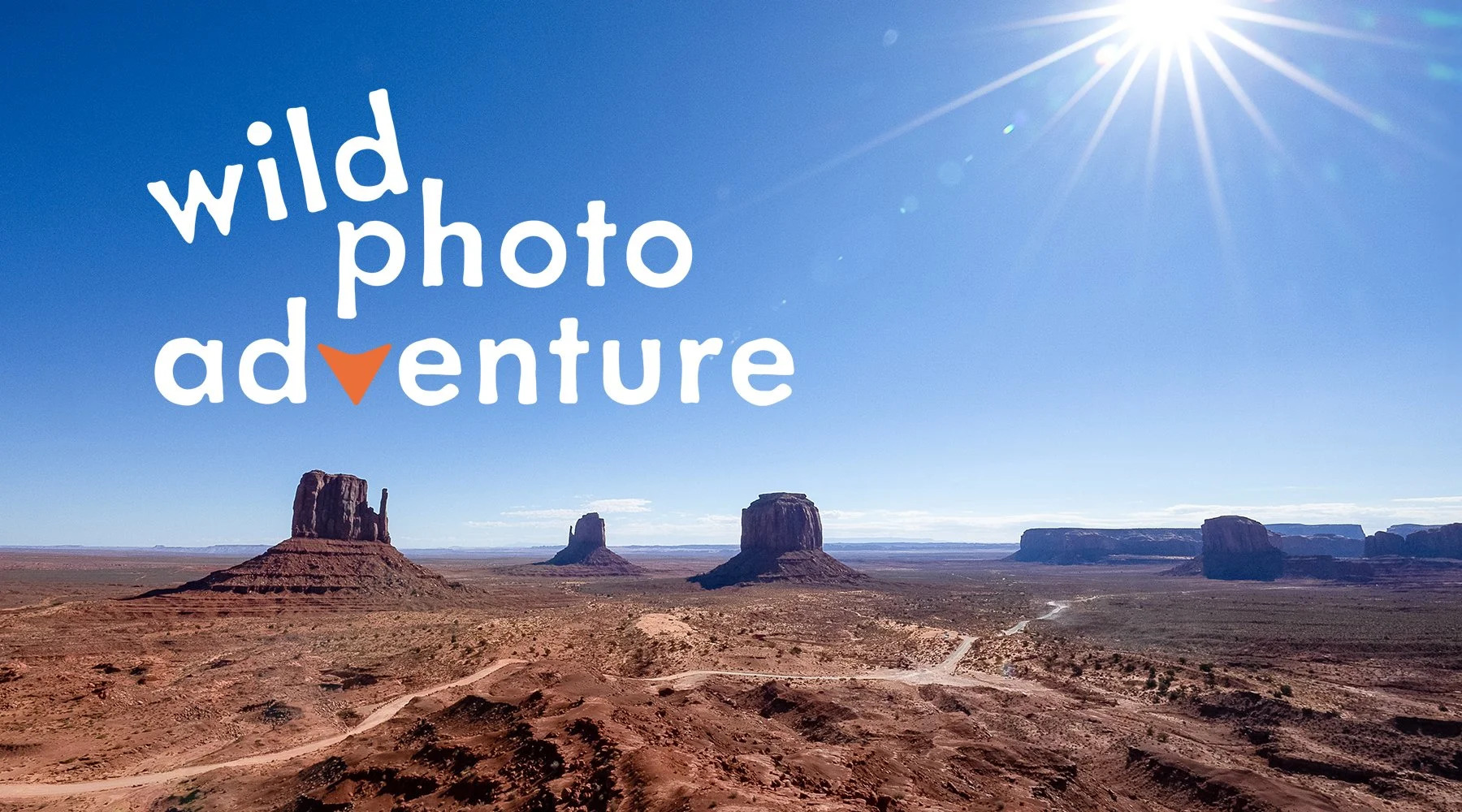
Dave Rhodes, a Digital Photo Academy instructor who teaches workshops regularly for us in Atlanta, will be leading a multi-day landscape photography workshop in the American Southwest through his own separate program, Wild Photo Adventure.
The Monument Valley & Slot Canyons Photography Workshop runs March 28 – April 1, 2026 and is limited to 8 participants.
The workshop is based in Page, Arizona and Monument Valley, and includes guided access to locations that require permits and Navajo guides.
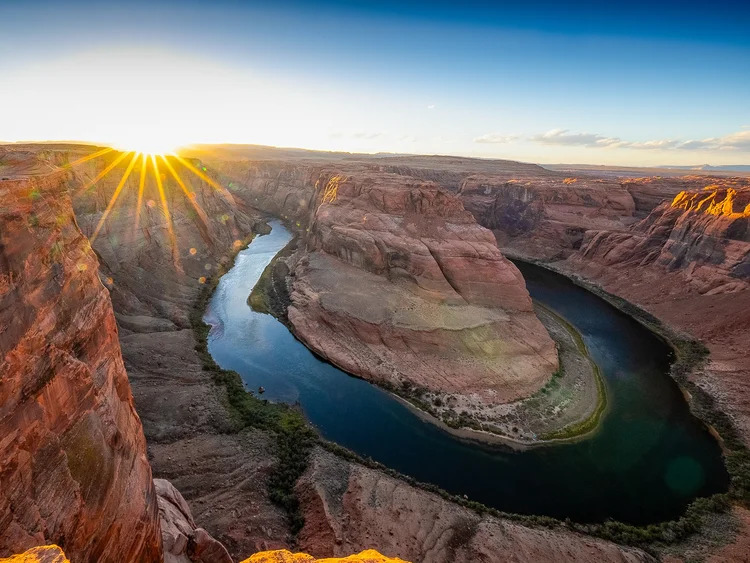
Participants will photograph:
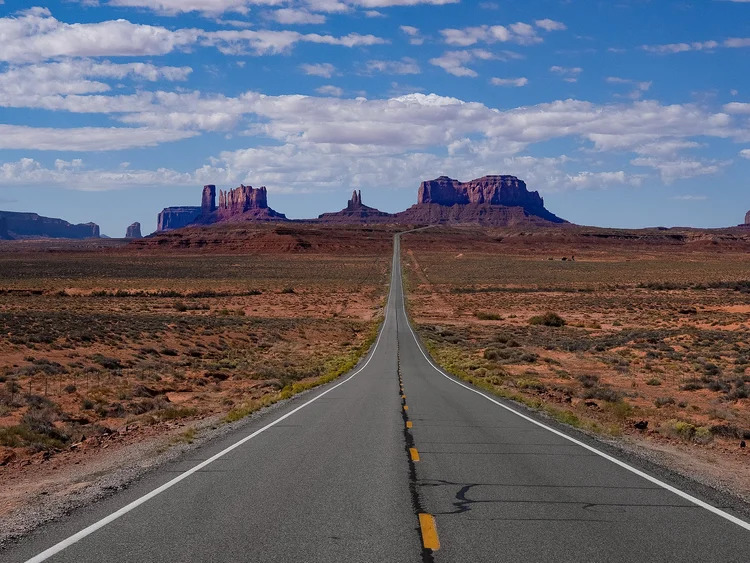
- Monument Valley at sunrise and sunset, including guided Navajo tours
- The Mittens, with access timed for the Annual Mitten Shadows (which occurs only twice per year)
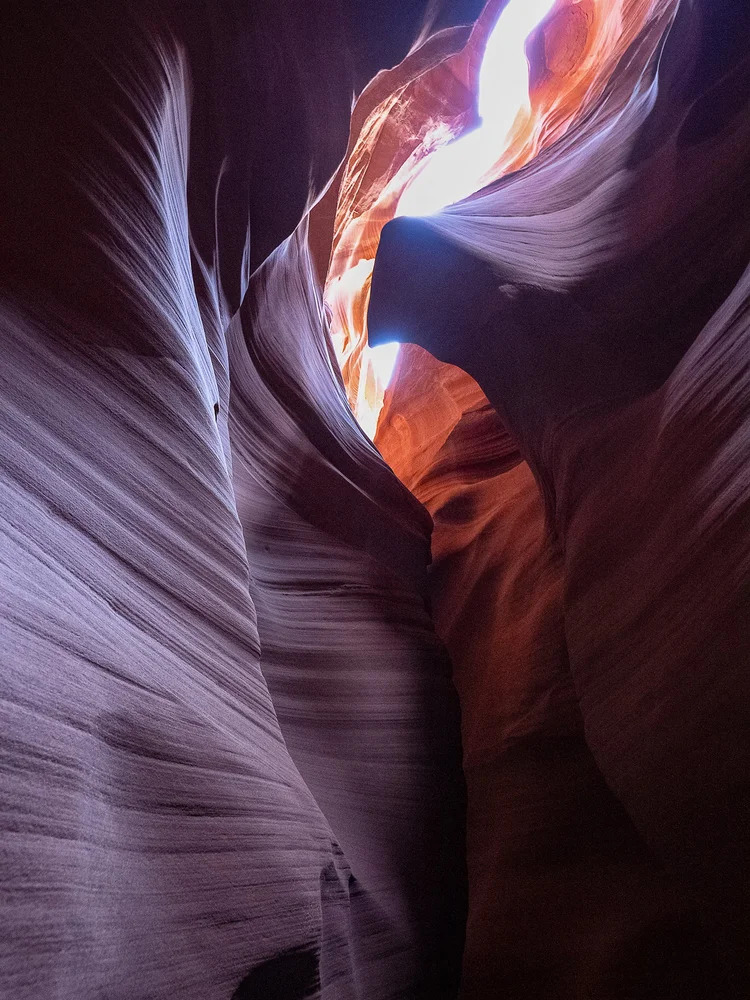
- A guided slot canyon tour featuring reflected light and canyon beams
- Horseshoe Bend at sunset or blue hour
- Toadstool Hoodoos, Forrest Gump Point, Mexican Hat Rock, and additional desert locations selected for photographic value
Instruction covers composition, exposure control, working in changing light, long exposures, and post-processing. The schedule includes hands-on shooting sessions, small-group instruction, and an optional portfolio review.
Workshop details at a glance:
Dates: March 28 – April 1, 2026
Price: $2,500
Group size: Maximum 8 participants
Activity level: Easy to moderate hiking
- Includes:
- Accommodations at The View Hotel in Monument Valley
- All permits and fees
- Navajo guides for Monument Valley and slot canyon access
- Transportation within the Navajo Nation
- Photography instruction and post-processing guidance
Early registration discount:
Use code DPA100 to receive $100 off registrations completed before February 28, 2026!
For each registration, Wild Photo Adventure will make a donation to a Navajo charity, The Navajo Relief Fund (NRF), supporting the local community involved in the workshop.
For full details and booking, contact Dave Rhodes / Wild Photo Adventure directly.
Register for Monument Valley & Slot Canyons Photo Workshop Here!
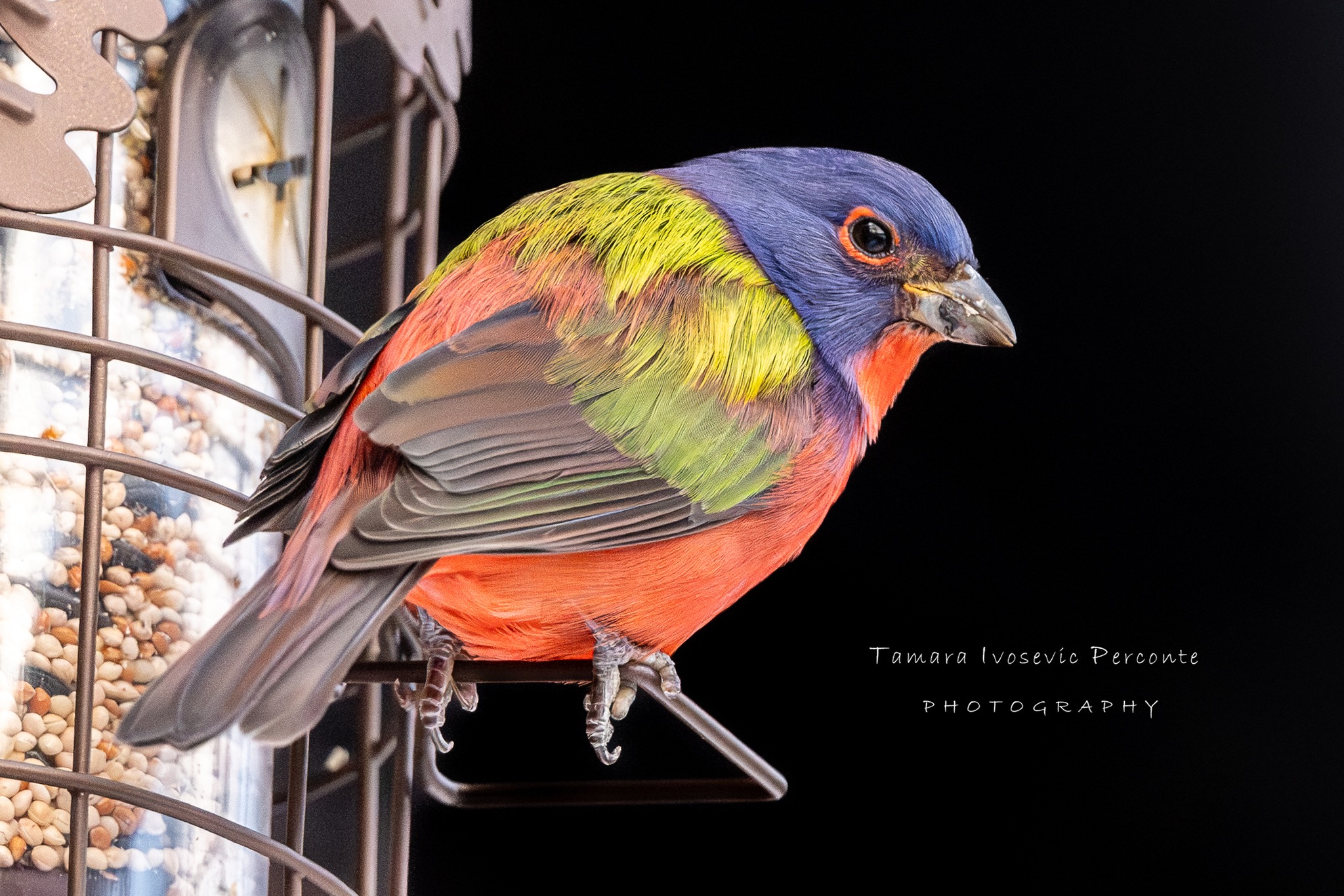
February FinerWorks Award Winners

Every month, our judges select 2 of our social media members to receive an HD Metal print of one of their photos, printed by our sponsor Finerworks.
We choose one winner from each of our Facebook groups:
“Celebrating Senior Shutterbugs” and “Digital Photo Academy Community”
| Posted on our “Digital Photo Academy Community” Facebook group by Carl D’Amico: |
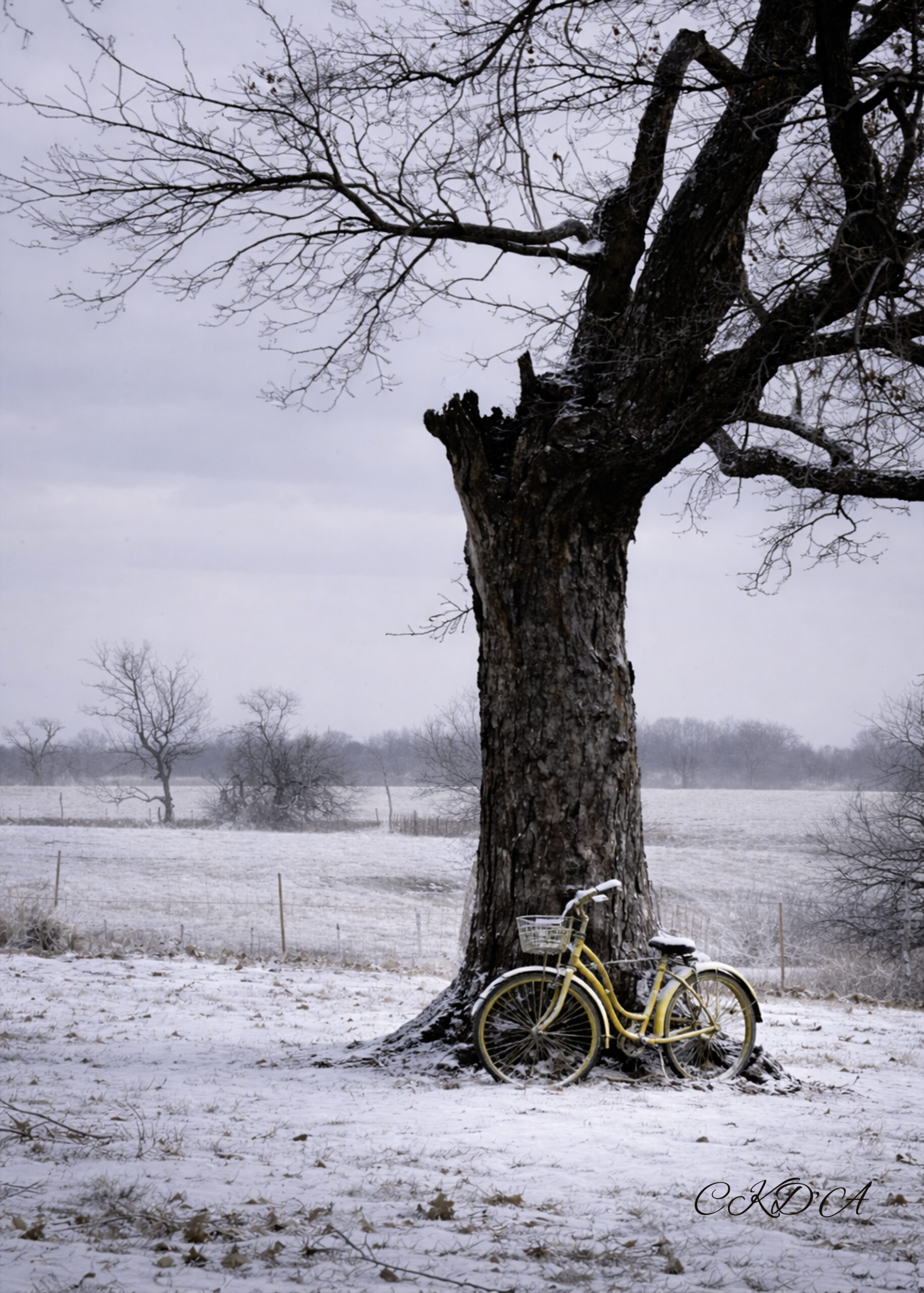
| Posted on our “Celebrating Senior Shutterbugs” Facebook group by Tami Ivosevic: |
Monthly Small-Group Photo Workshops in 24 Cities
Plus Private Classes on Your Schedule
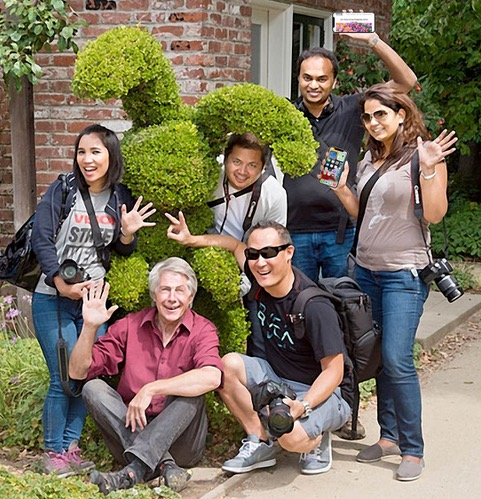
Since 2006, Digital Photo Academy has offered hands-on photography workshops in 24 cities across North America.
Access the live cities page on our website to explore upcoming photo workshops in your area. Elevate your photography skills with help from our experienced instructors in interactive sessions!
Our Social Media
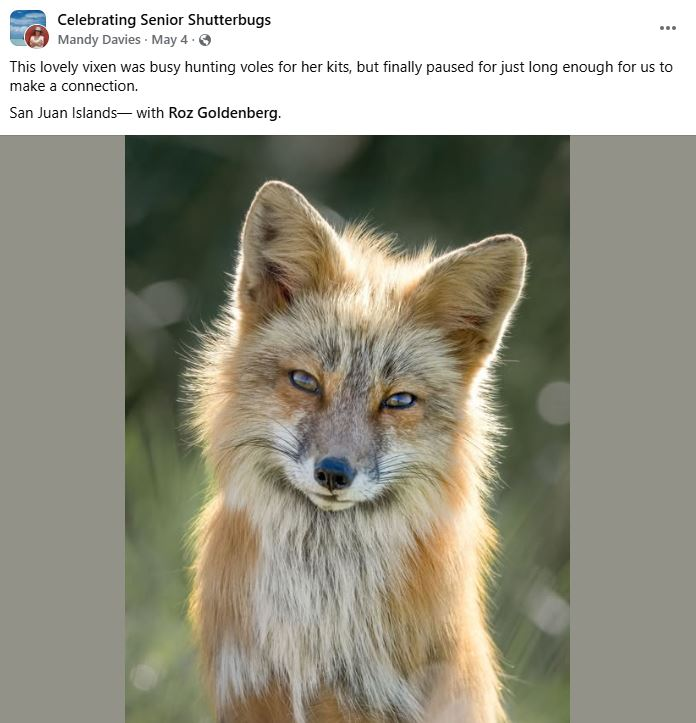
Share your own original images in our Facebook groups, and you’ll be automatically entered into our monthly FinerWorks prize contest.
Each month, our judges pick two winners, and FinerWorks prints their photo on a beautiful HD Metal print that can hang on the wall.
Join our Facebook photo groups here:
• Celebrating Senior Shutterbugs
• Digital Photo Academy Community
And don’t forget to check out our main social pages for stunning photography.
Main Pages:

Copyright (C) 2024 Digital Photo Academy. All rights reserved.