January 2026 DPA Newsletter
January 2026 DPA Newsletter:
Expert Sunrise & Sunset Photography Tips
A Special Video Look at the DPA HQ in Winter
January FinerWorks Winners!
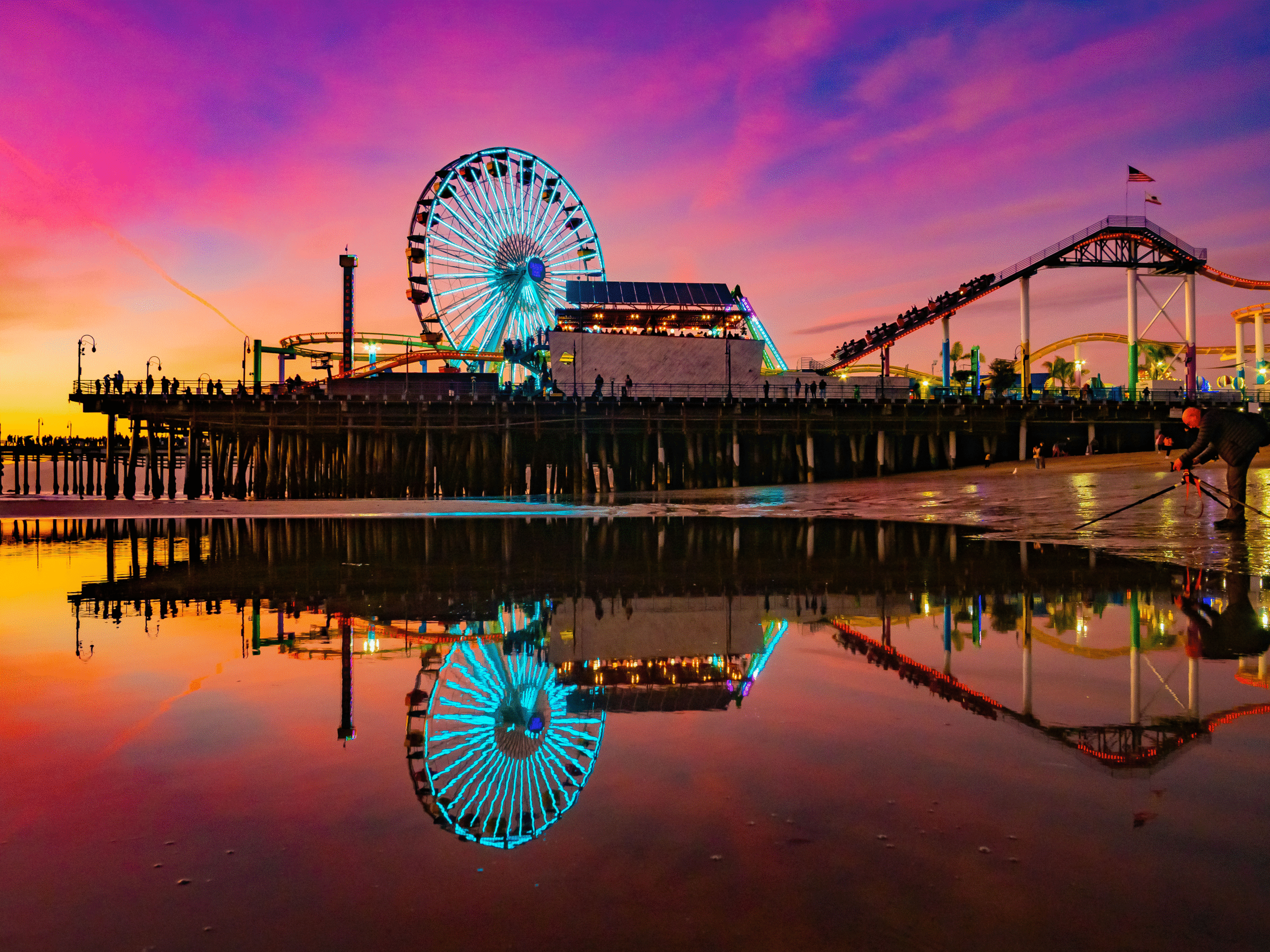
Photo by Digital Photo Academy instructor Scott Crawford in Los Angeles.
January marks the start of a new year. Winter weather is in full swing, with colder days and simple, clean scenery. For photographers, it’s a good time to capture winter landscapes, everyday details, and soft seasonal light. Happy New Year!
Digital Photo Academy is pleased to bring you the latest updates and photography inspiration in our monthly newsletter. This is all made possible by our valued sponsor, Finerworks.
Primer of the Month:
Sunrise & Sunset Photography Tips
Featuring images from Digital Photo Academy instructors from coast to coast.
Each month, we share a primer with insights from our instructors across the continent. It’s a chance to learn from experienced photographers and see how they approach their craft, through tips, advice, and a behind-the-scenes look at their photography.
Sunrises and sunsets offer some of the best photo opportunities, but capturing them takes more than just pointing your camera at the sky. Timing, composition, patience, and light are key.
This month, DPA instructors share their tips and images on this topic. Read their captions for insights on framing, lighting, and creative choices to inspire your own photography.
1) Sam Johnston, Digital Photo Academy instructor in Tampa
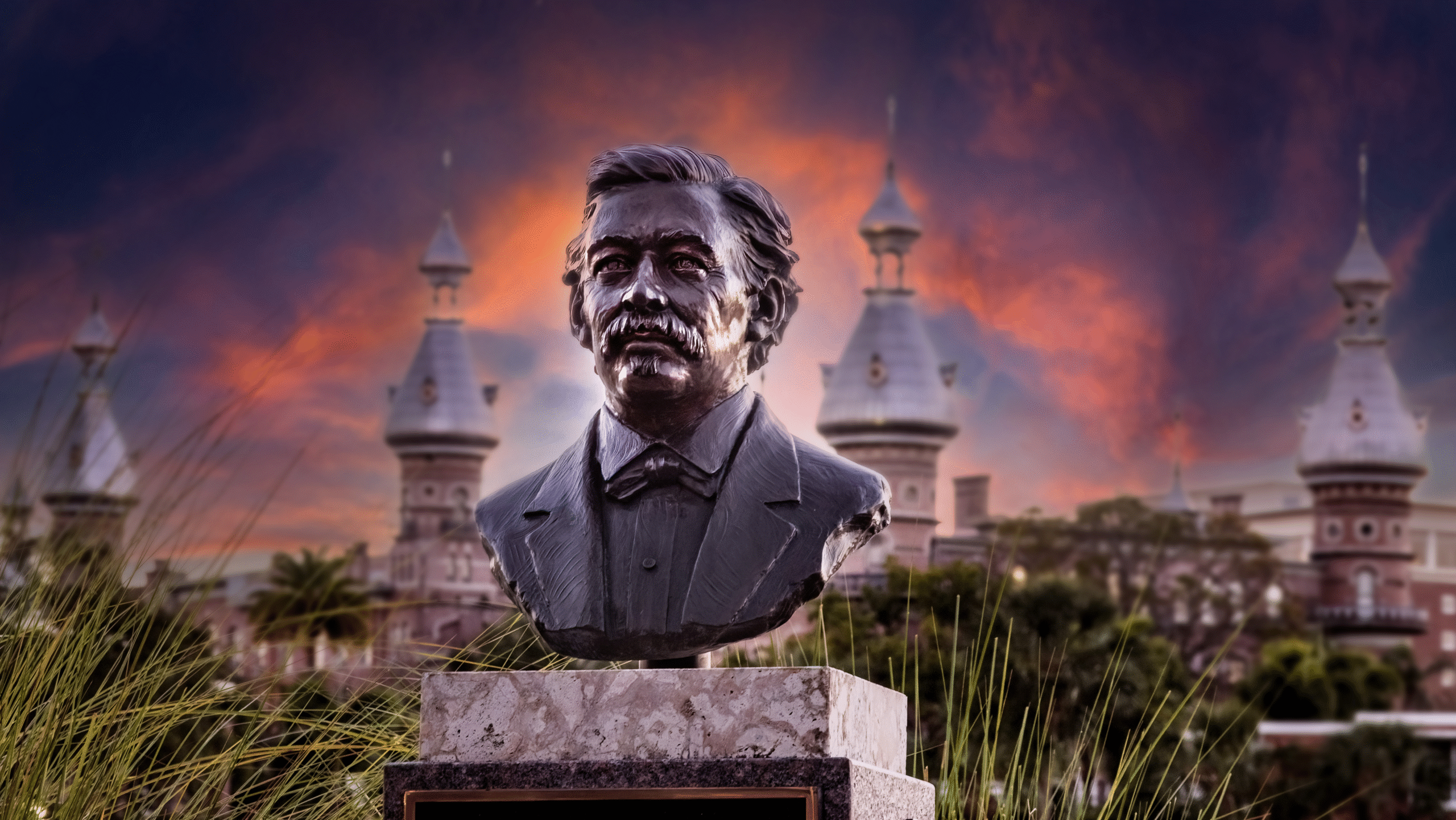
Here’s a shot I created while teaching a DPA class in Tampa. We were across the river from the Henry Plant Museum during a River Walk Photo Class. The sunset was behind the museum, so I demonstrated a multi-exposure tripod shot with emphasis on Mr. Henry Plant’s bust statue using a shallow depth of field, explaining how a wide-open aperture helped achieve this look.
I then showed the two images I would later layer in Photoshop during post-processing—pulling up shadow detail in the lighter foreground image while keeping color and detail in the darker sunset image in the background.
I first had the students do their own version of shooting what I had described, explaining how their cameras would capture the scene with a single exposure. I had them set their white balance to Daylight, then apply a warm color shift within the camera menu. We paid close attention to composition to give the image balance and draw the viewer into the background, centered between the minarets.
I also demonstrated how zooming in and backing up with the camera helped pull everything in tighter.
2) Jeffrey Fong, Digital Photo Academy instructor in Seattle
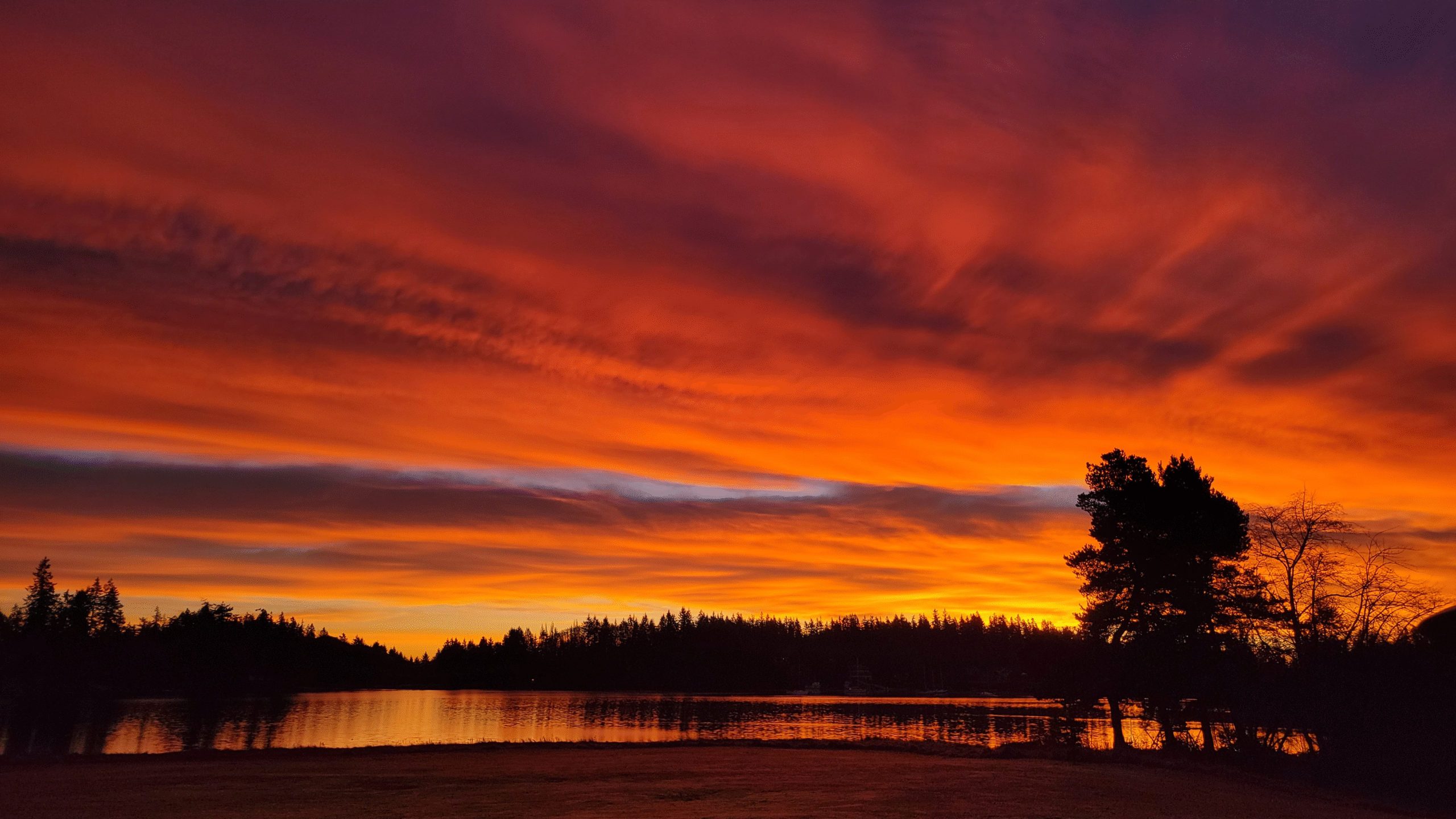
I don’t get out as much as I’d like to photograph sunrises and sunsets, but when I do, I sometimes get one or two shots that I don’t mind sharing. This was a sunset captured over a bay.
I’m pretty minimalist in my approach, so I don’t get too complicated with my setup. A tripod, a wide-angle lens, low ISO, the composition I want, and a cup of coffee are what I used to take this shot.
The keys, in my opinion, to capturing an amazing sunrise are getting there early, setting up for the shot, and then waiting. Watch the sunrise as it develops. Don’t just take one shot and think you’re done—chances are an even better shot is coming. I usually stay until the sunrise has fully developed.
3) Martin Miller, Digital Photo Academy instructor in San Diego
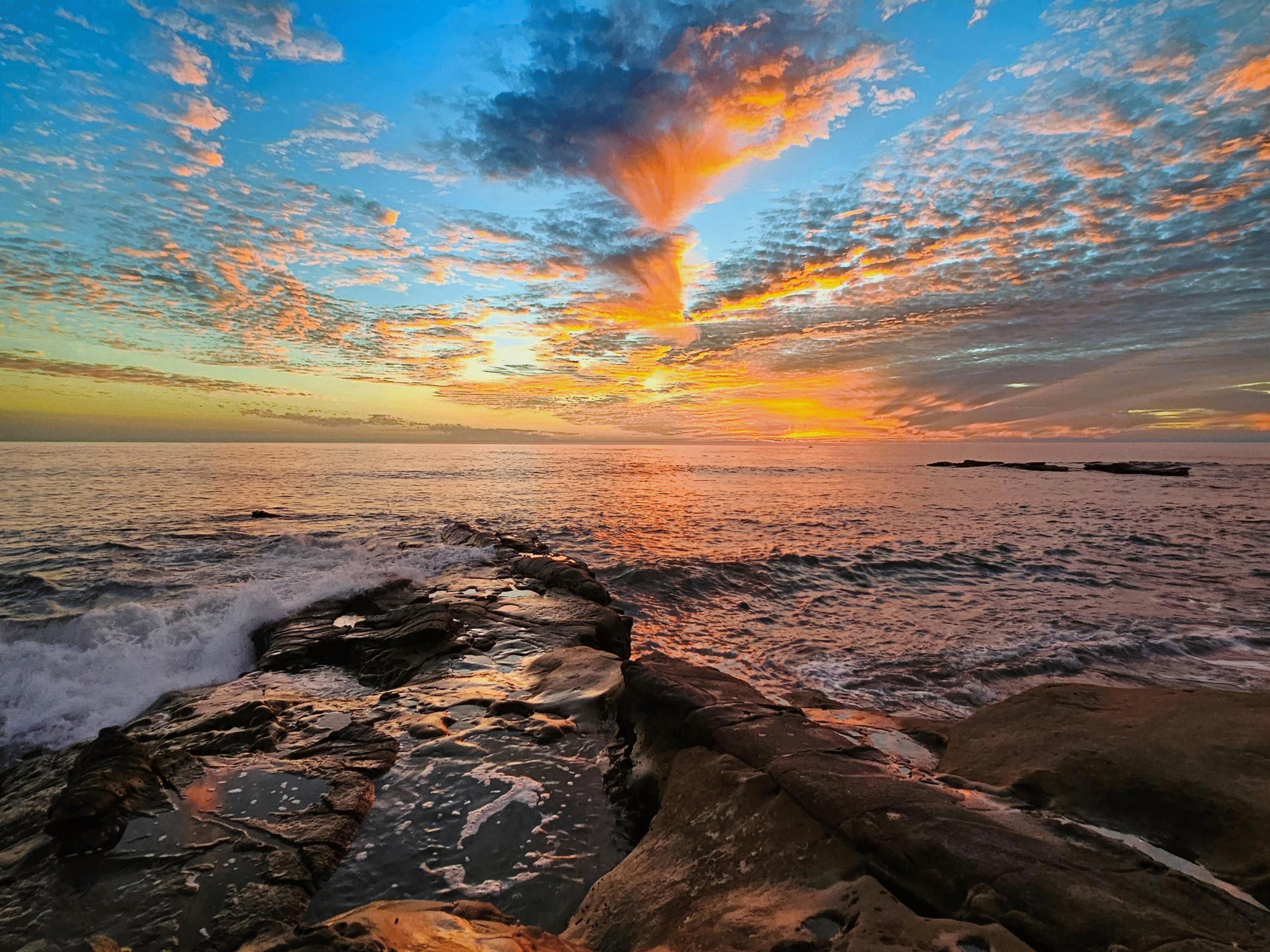
This image was taken, I believe, in the Bird Rock area of San Diego one October evening. The months of September, October, and November in San Diego can produce some of the most beautiful sunsets of the year.
The image incorporates contrasting colors, with leading lines from the rock formation in the foreground drawing the viewer’s eye into a dramatic sunset over the Pacific Ocean.
A boat on the horizon is using the last rays of the sun to reach its home port before nightfall.
4) Larry Edward Smith, Digital Photo Academy instructor in Chicago
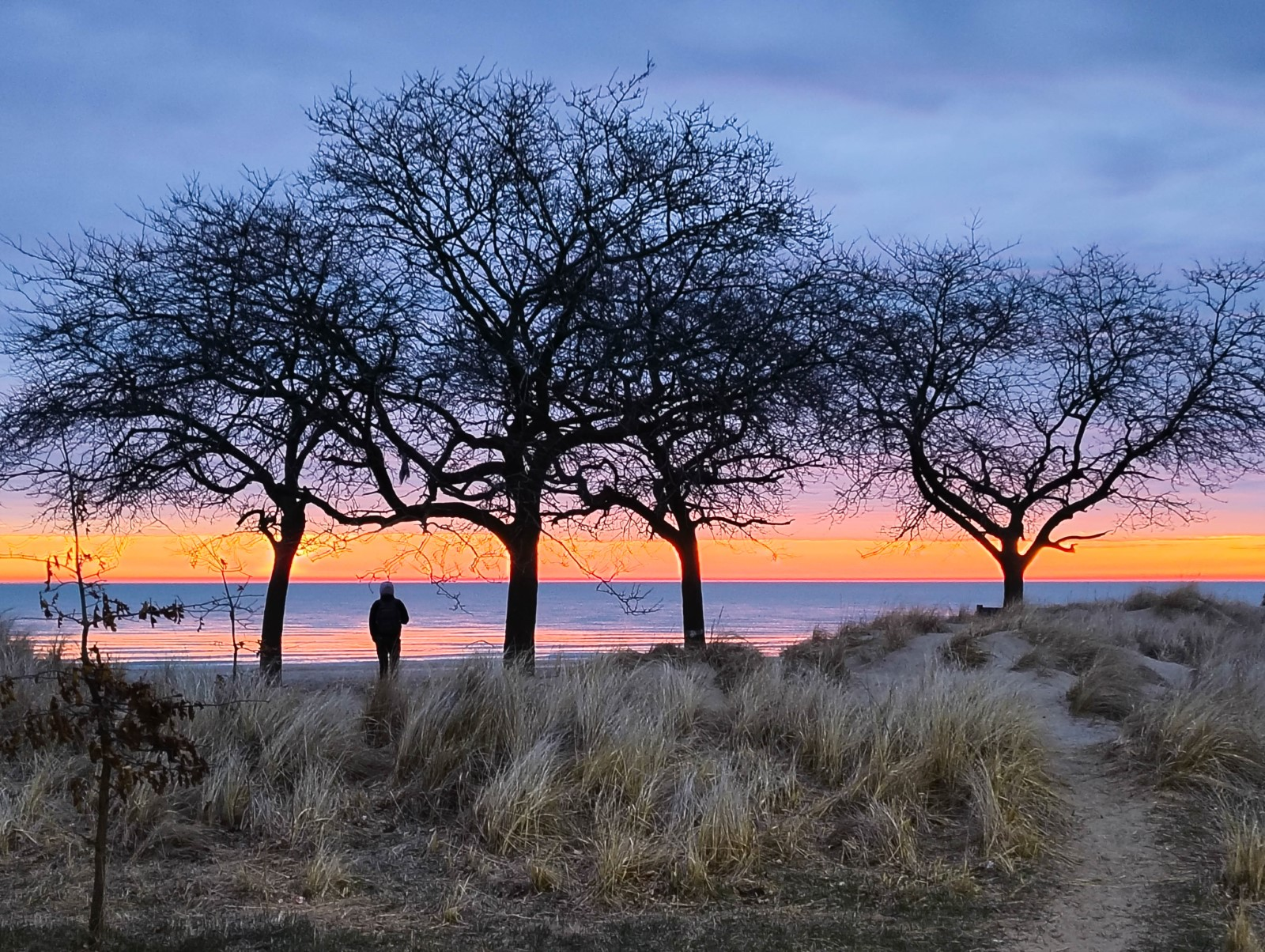
This image was captured this past spring.
How-to: A low-light situation requires a tripod. I prefer to keep ISO as low as possible, no higher than 400. A long depth of field may be desired as well.
Winning shots are sunrise or sunset images that include a scene which draws the viewer in and creates a story. I have photographed these trees in several different lighting situations. On this particular morning, magical light appeared, and a human stood in awe at the dawn of his day.
5) Dave Rhodes, Digital Photo Academy instructor in Atlanta
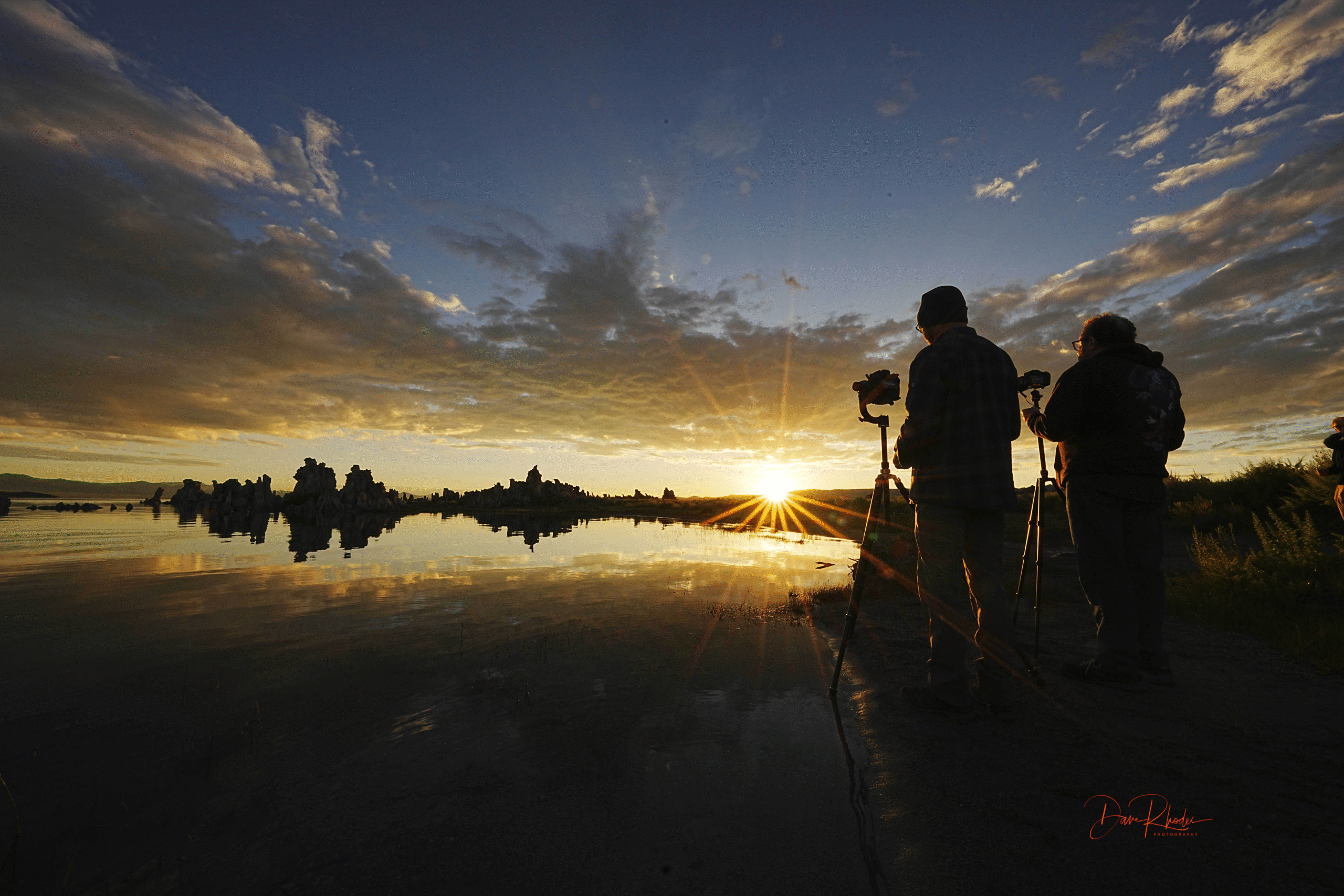
Here is one of my sunrise shots!
Details:
- 12mm, Sony A1
- Sony 12–24mm GM f/2.8 lens
- 1/50 sec at f/22
- ISO 200
- August 2023
Every year, we at Wild Photo Adventure take a small group of photographers to Mono Lake and Bodie Ghost Town to capture sunrises, sunsets, wildlife, and the Milky Way. For this shot of Mono Lake, we set up before sunrise to capture the “tufas” growing out of the water.
Going early gives us the chance to catch beautiful morning light and, very often, wildlife as well. Ospreys, wild horses, and eagles are not uncommon for our photographers to capture in their natural environment.
6) Christine Nimitz, Digital Photo Academy instructor in Phoenix
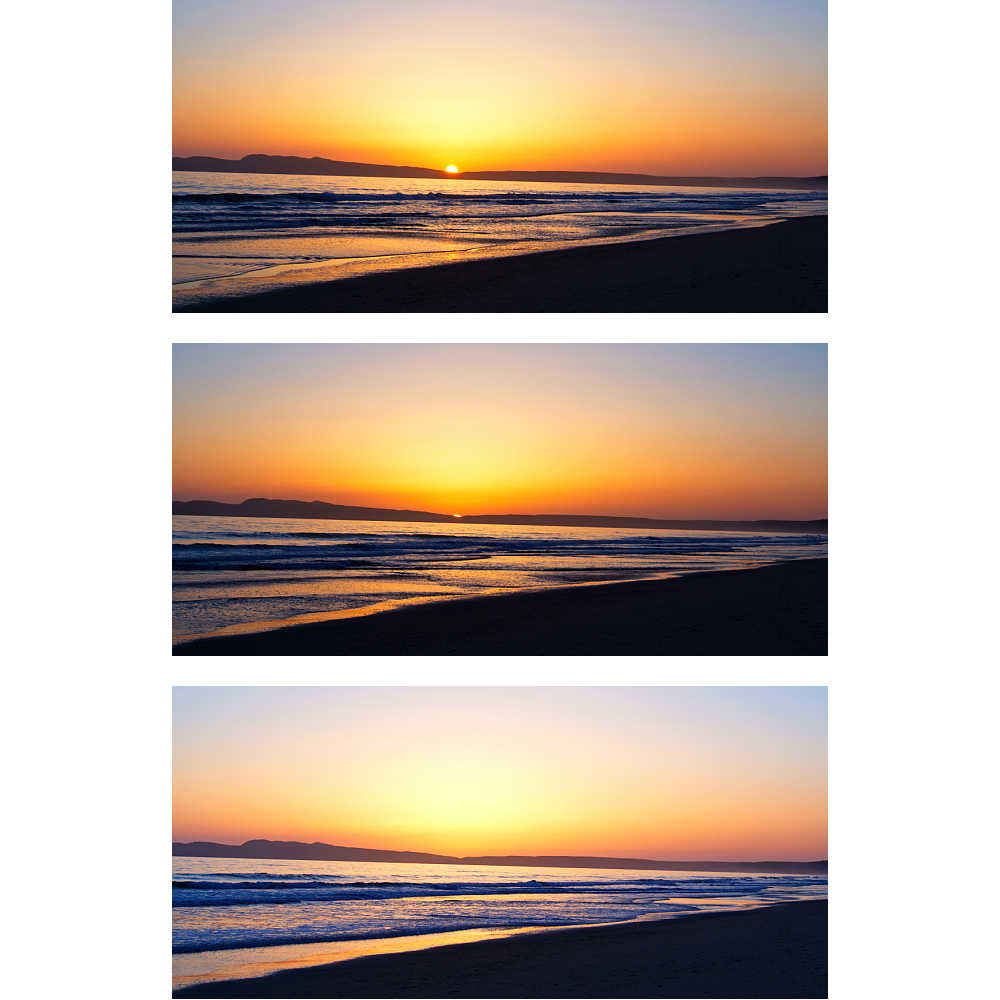
Sunset Trilogy — Limantour Beach, Point Reyes National Seashore (north of San Francisco)
These photos were taken several years ago, as the camera (Olympus E-M5 II) and lens (M.Zuiko 12–50mm f/3.5–6.3) are no longer with me. I now have two newer Olympus bodies and many other lenses.
I picked three photos to point out that there isn’t just one photo to take at sunset. It’s an ongoing wait to see what develops over time with the colors. Since there’s water, it’s also about watching and choosing the photo with the most interesting waves, water patterns, and reflections.
I did use a tripod (which I’m never that fond of) so I could keep the viewpoint the same, avoid crooked horizons, and use slower shutter speeds if needed. I didn’t use a remote release at the time, but that could be useful, especially if you want to slow the shutter to blur the waves more.
I have dozens of photos from this outing. I chose the angle of the water, beach, and sun hitting the ocean, then waited and shot. There were about 30–90 seconds between each image. I started watching the sunset around 6:42 PM and left at 7:43 PM when I decided the blue hour wasn’t very interesting.
These three images have water patterns I liked and show the sun as less glare-heavy or fully down. What’s great about digital is being able to review shots as you go and adjust in real time.
In post, I increased contrast and saturation to bring out the sunset colors and increased shadows to black out the sand in the foreground. I also cropped out the less interesting sky at the top and trimmed the lower left edge to improve the composition.
Settings:
Bottom — f/7.1, 1/50 sec, ISO 100, 62mm, 7:03:08 PM
Top — f/11, 1/30 sec, ISO 100, 62mm (2× crop equivalent), 7:01:19 PM
Middle — f/9, 1/50 sec, ISO 100, 62mm, 7:02:41 PM
7) Amanda Deutsch, Digital Photo Academy instructor in Denver
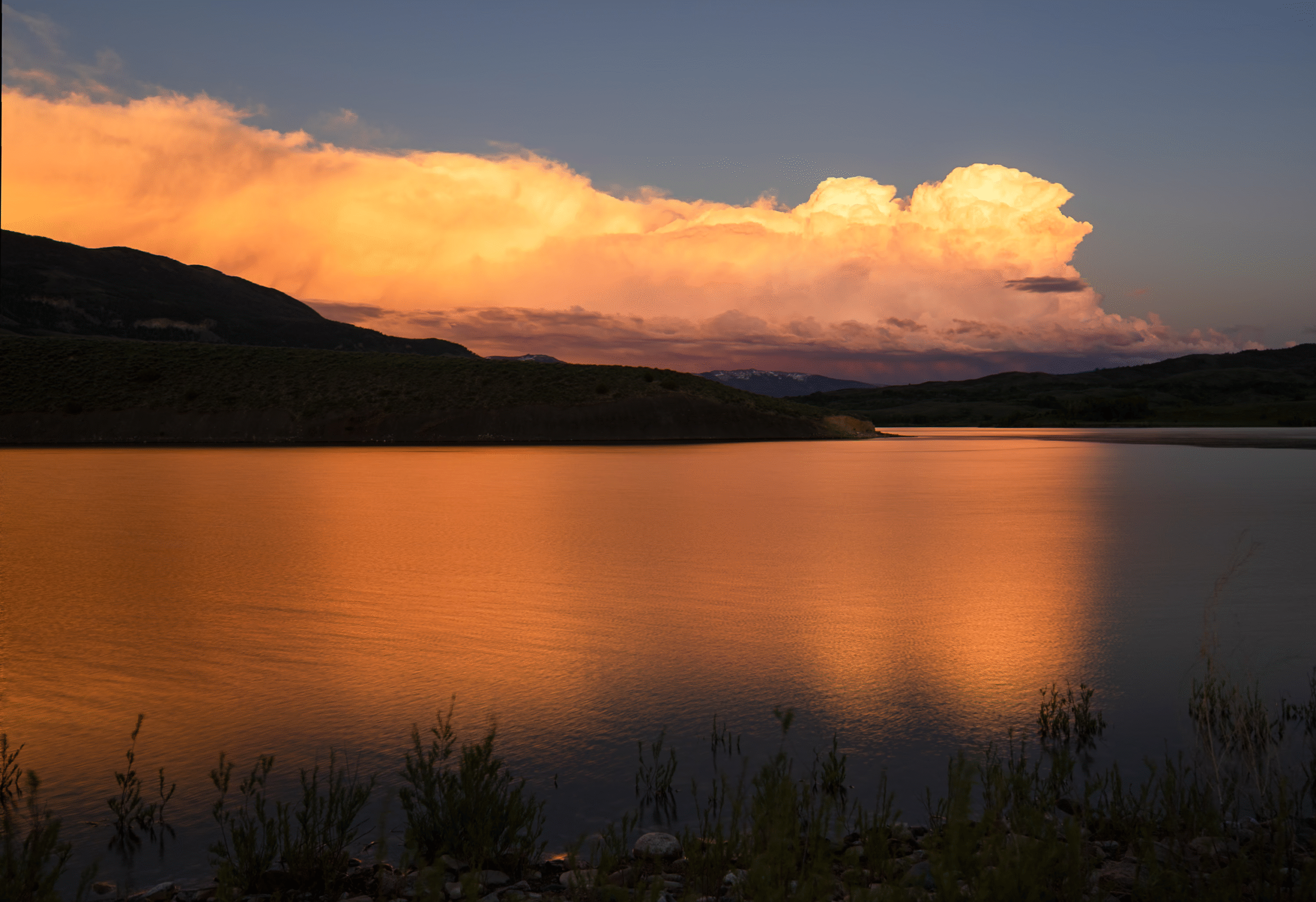
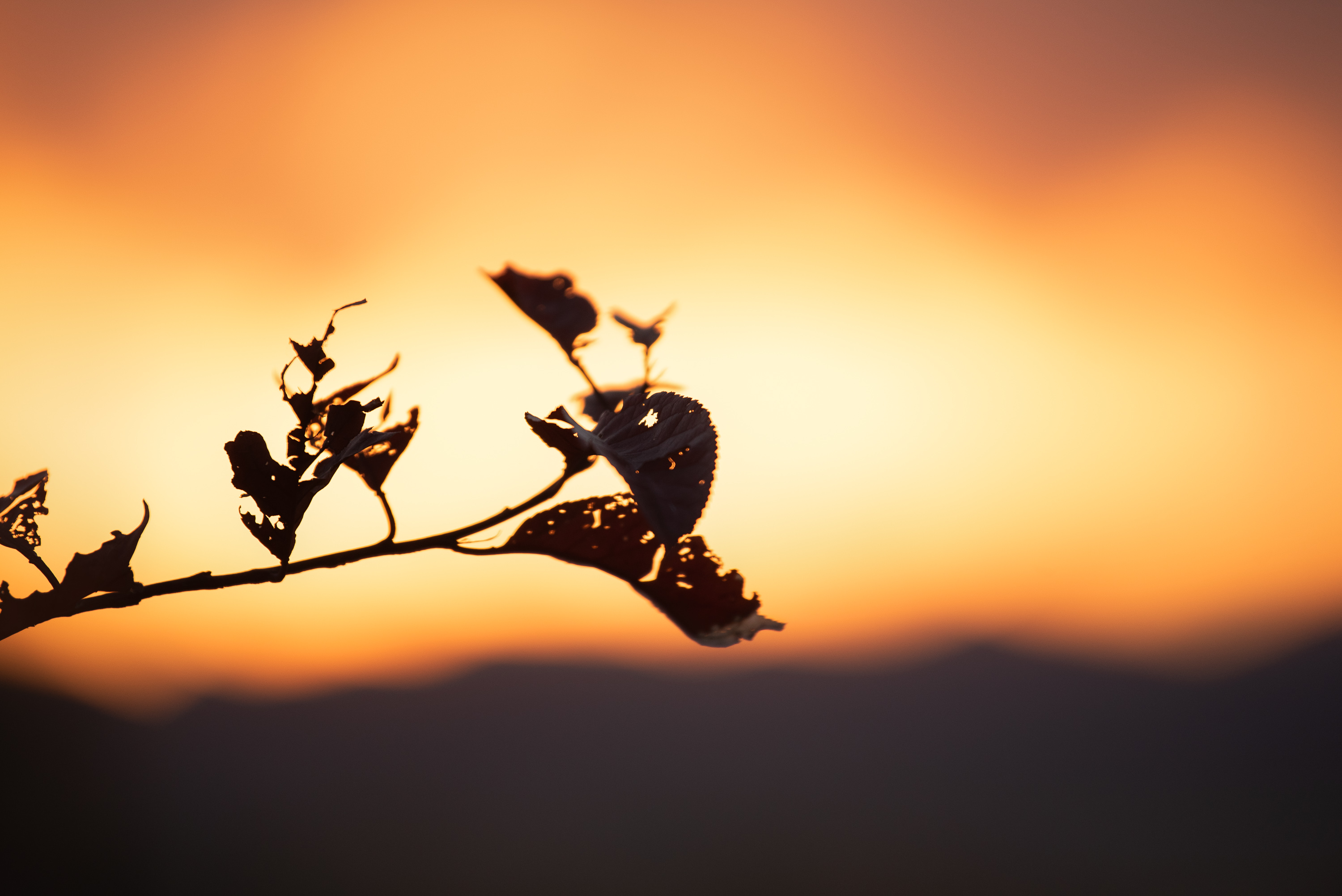
Sunset photography rewards patience and preparation. While the instinct is often to photograph only the moment the sun meets the horizon, the most dynamic light and color usually appear before and after the actual sunset.
In mountainous areas, such as the Denver region, the sun often disappears behind the mountains earlier than the official sunset time. Planning ahead allows you to capture peak color as the light wraps across the sky rather than waiting for the sun itself to be visible.
Helpful Tips:
- Arrive early and continue shooting after the sun sets. Twilight often delivers the richest tones.
- Expose for the sky to preserve color and detail; slightly underexposing can help avoid blown highlights.
- Use a tripod or stable surface as light levels drop quickly.
- Look for opportunities to create silhouettes. Strong shapes such as trees, buildings, people, or ridgelines can add drama and storytelling when placed against a bright sky.
- Shoot in RAW when possible for greater flexibility when adjusting color and contrast later.
Every sunset is different. Cloud cover, haze, and atmospheric conditions shape the final image, making sunset photography a great exercise in observation and adaptability.
A Special Video Look at the DPA HQ in Winter!
Hudson Valley Photo Instructor Brian Diescher made this great video capturing the Digital Photo Academy headquarters in Newburgh, NY during this snowy winter!
We offer photo workshops in hundreds of scenic locations like this one in 24 cities across North America (each rich with fantastic photo ops!)
Our headquarters is housed in a restored 1828 stone building that once served as part of a DuPont gunpowder mill, located across from Algonquin Park, a 41-acre historic site filled with year-round photo opportunities. The former mill complex relied on water power, stone housing units, and rail tracks to transport raw materials used in gunpowder production.
In fact, on Saturday, January 10, we’ll be hosting photography workshops right in Algonquin Park, using its historic stone structures, waterfalls, and seasonal scenery as subjects to shoot.
The day begins with Master Your Camera Controls from 9:30–11:00 am ($95), a small-group, sit-down class focused on understanding the automatic and manual controls of your specific camera or cellphone. Register here.
This is followed by Composition in the Field from 11:00 am–1:00 pm ($135), a guided photo walk through the park to learn composition strategies by taking pictures using these strategies with instructor guidance and feedback. Register here.
Students can also take both classes back-to-back for $165 and save rather than registering separately. This helps because the field session reinforces what you learn in the sit-down by operating your camera using many composition strategies that require different camera controls (all with instructor supervision).
During the field session, participants will practice techniques such as controlling shutter speed for moving water, composing landscapes, and using tools like leading lines, framing, layering, and the rule of thirds while photographing Algonquin Park’s historic stone structures and winter scenery.
Click here to see our Hudson Valley class schedule and learn more!
January FinerWorks Award Winners

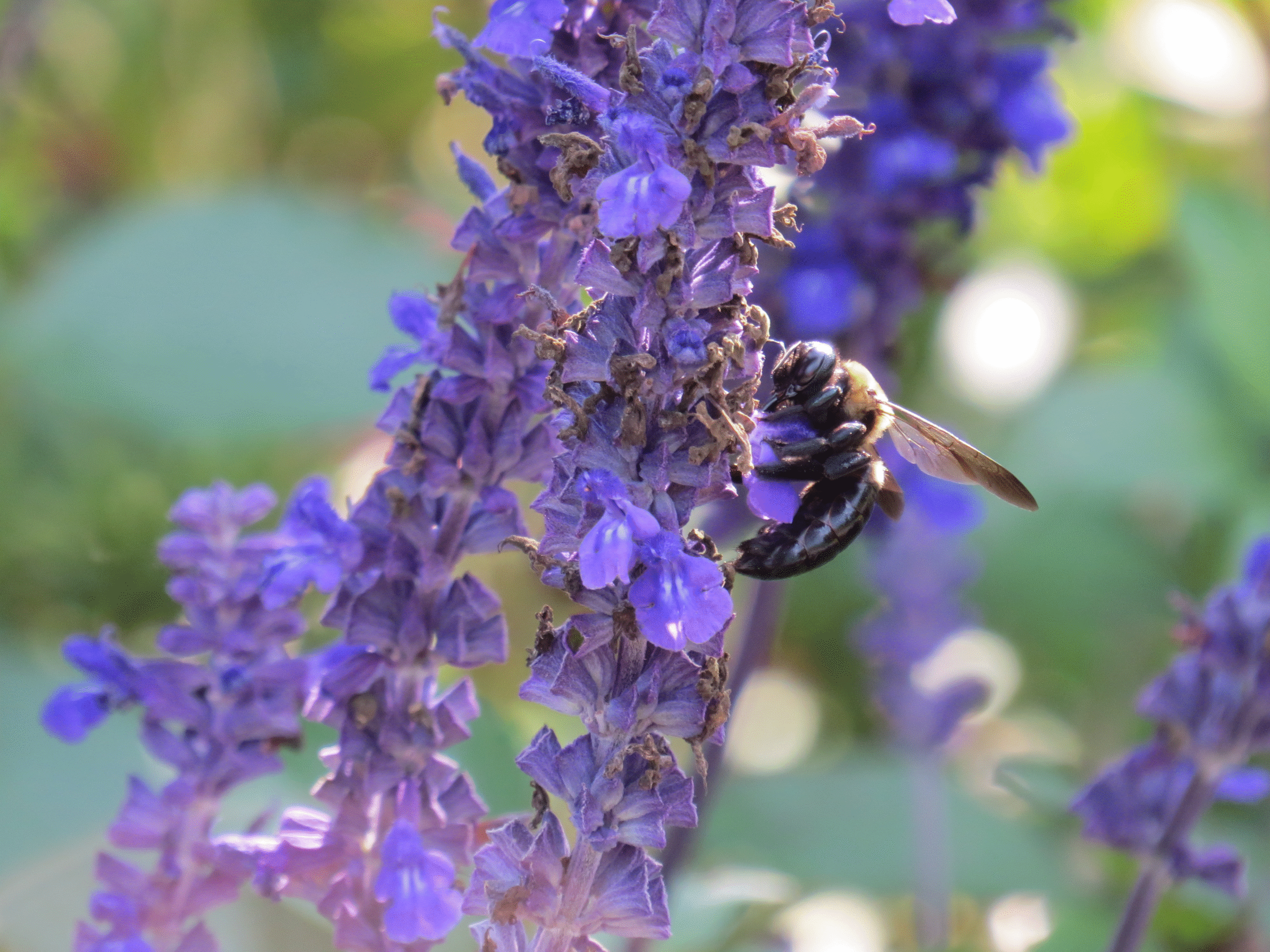
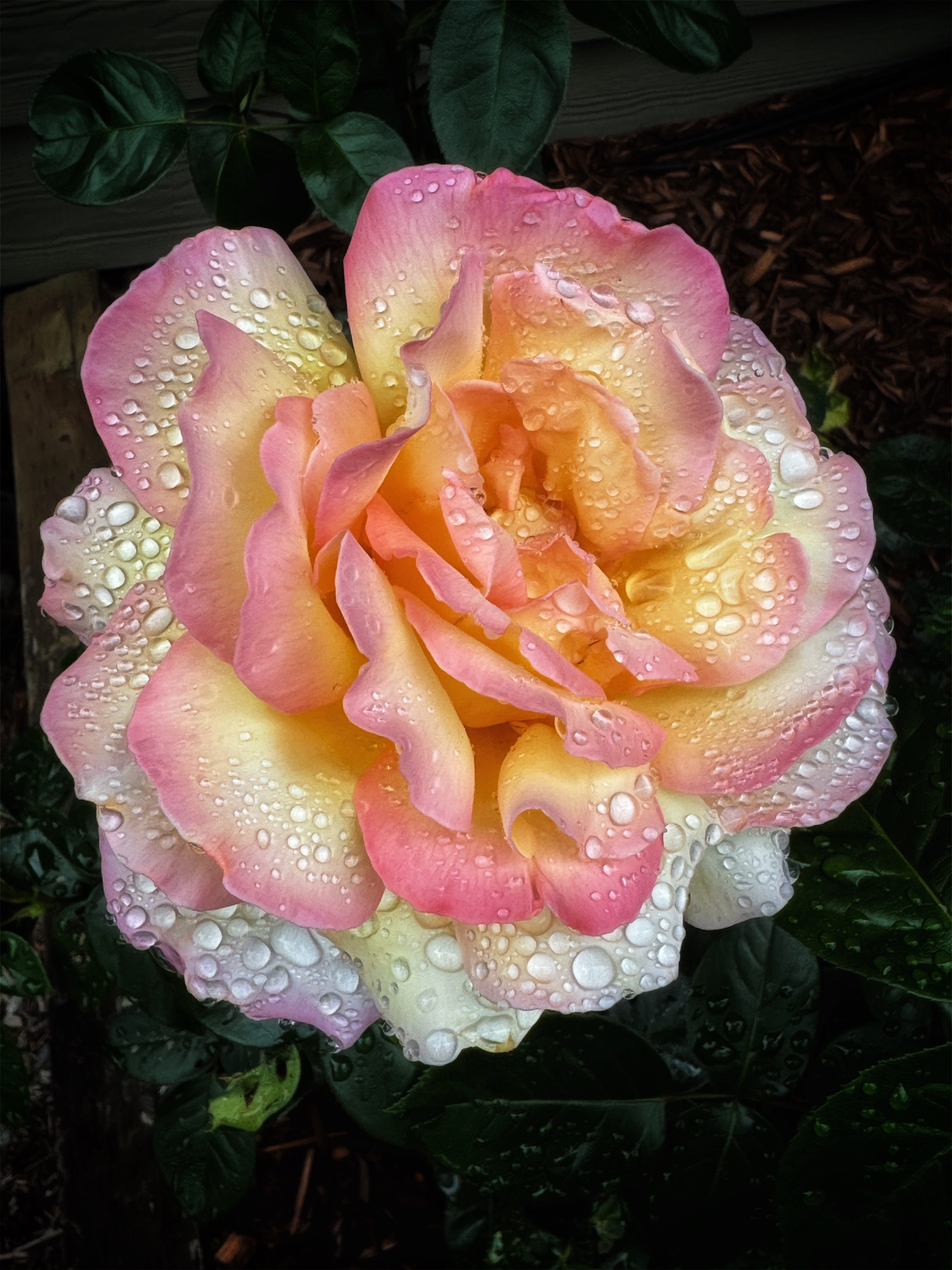
Every month, our judges select 2 of our social media members to receive an HD Metal print of one of their photos, printed by our sponsor Finerworks.
We choose one winner from each of our Facebook groups:
“Celebrating Senior Shutterbugs” and “Digital Photo Academy Community”
| Posted on our “Digital Photo Academy Community” Facebook group by Steve Tullin: |
| Posted on our “Celebrating Senior Shutterbugs” Facebook group by Richard Tessari: |
Monthly Small-Group Photo Workshops in 24 Cities
Plus Private Classes on Your Schedule
Since 2006, Digital Photo Academy has offered hands-on photography workshops in 24 cities across North America.
Access the live cities page on our website to explore upcoming photo workshops in your area. Elevate your photography skills with help from our experienced instructors in interactive sessions!

Our Social Media
Connect, share, and spread cheer! Join our Facebook groups to participate in our monthly prize contests in collaboration with Finerworks.
Facebook Groups:
“Celebrating Senior Shutterbugs” and “Digital Photo Academy Community”
Main Pages:

Copyright (C) 2024 Digital Photo Academy. All rights reserved.